

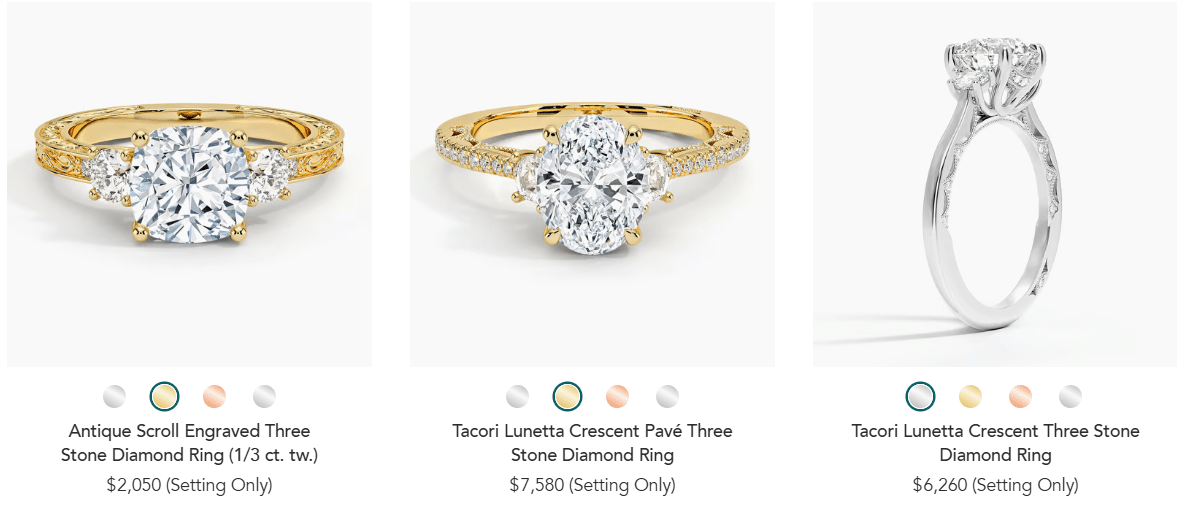
Vintage-inspired engagement rings carry romance that modern minimalist designs cannot replicate. The intricate metalwork, distinctive settings, and old-world craftsmanship speak to couples who appreciate history, artistry, and timeless elegance.
Combining vintage aesthetics with lab grown diamonds creates something remarkable, classic beauty paired with modern ethics and accessibility. Buyers no longer choose between sustainability and style. Vintage lab grown engagement rings deliver both without compromise.

Juli “Jewels” Church, Certified Diamontologist at LearningJewelry, understands this appeal deeply: “Vintage rings tell stories through their design details. Milgrain edges, filigree patterns, hand-engraved scrollwork, these elements connect wearers to jewelry traditions spanning centuries. Lab grown diamonds make these heirloom-quality pieces accessible to couples who genuinely appreciate craftsmanship.”
What Defines Vintage Style Engagement Rings?
Vintage-inspired rings draw design elements from specific historical periods. Each era contributed distinctive characteristics that remain influential today.
Victorian Era (1837-1901): Romantic motifs including flowers, hearts, and nature-inspired designs. Yellow gold dominated. Settings featured intricate metalwork surrounding relatively modest center stones.
Edwardian Era (1901-1910): Delicate, lace-like filigree patterns. Platinum became fashionable, enabling intricate openwork impossible in softer metals. Designs emphasized elegance and femininity.
Art Deco Era (1920-1935): Bold geometric shapes, sharp angles, and symmetrical patterns. Contrasting metals and colored accent stones appeared frequently. Designs reflected modernist architecture and machine-age aesthetics.
Retro Era (1935-1950): Larger, bolder designs with theatrical flair. Rose gold gained popularity. Settings featured substantial metalwork balancing center stones.

Modern vintage-inspired rings borrow elements from these periods while incorporating contemporary construction techniques and lab grown diamonds that deliver superior consistency.
Why Choose Vintage Style with Lab Grown Diamonds?
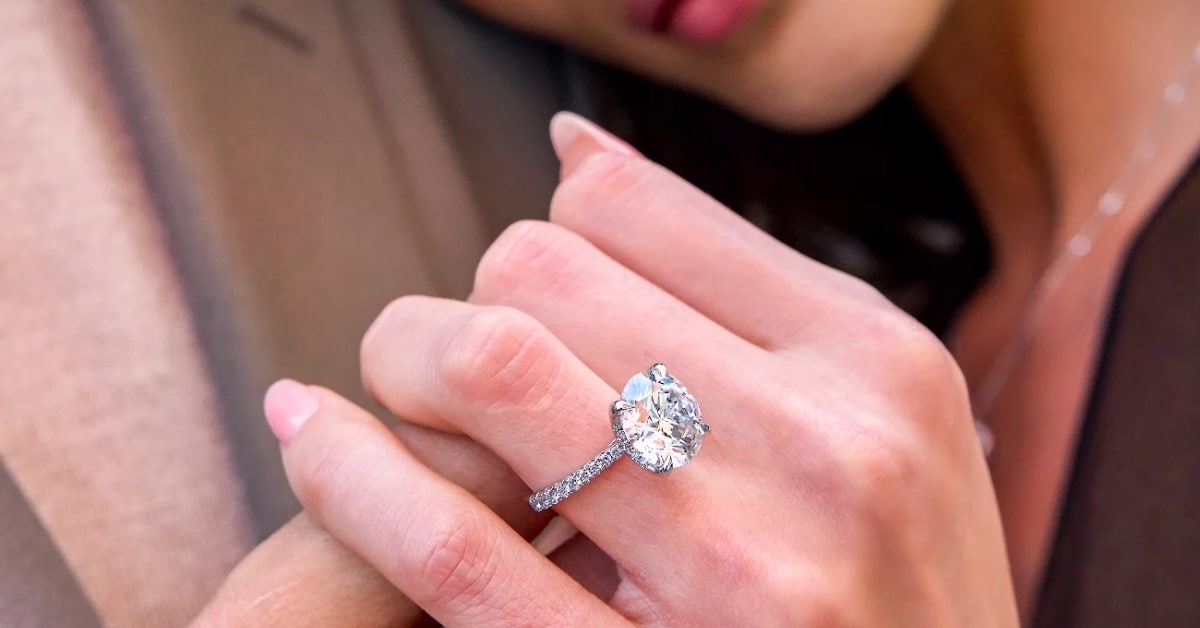
Pairing vintage aesthetics with lab grown diamonds offers compelling advantages.
Benefit | Explanation |
Ethical Sourcing | Lab grown diamonds eliminate mining concerns |
Cost Savings | 60-80% less than natural diamonds |
Larger Center Stones | Budget stretches further for statement pieces |
Design Flexibility | Savings fund intricate custom metalwork |
Environmental Impact | Reduced carbon footprint |
Quality Consistency | Lab conditions produce reliable results |
Certification Standards | IGI grading ensures specifications |
Heirloom Potential | Durable designs last generations |
Unique Character | Vintage details differentiate from mass-market rings |
Modern Construction | Contemporary techniques improve durability |
Authentic antique rings carry risks, unknown histories, potential damage, outdated construction methods. Vintage-inspired lab grown rings deliver the aesthetic without these concerns.

Popular Vintage Lab Grown Engagement Ring Styles
Several design approaches capture vintage romance effectively.
Art Deco Geometric
Art Deco designs feature bold geometry, stepped patterns, angular shapes, and symmetrical arrangements. Emerald cut and Asscher cut diamonds complement these settings naturally, their step-cut faceting echoing architectural influences.
Common Art Deco elements include:
- Stepped halos mimicking skyscraper silhouettes
- Baguette side stones in geometric arrangements
- Contrasting metal accents (white gold with yellow gold details)
- Black onyx or sapphire accent stones
These designs suit buyers drawn to bold, structured aesthetics with historical significance.

Edwardian Filigree
Edwardian-inspired rings showcase delicate metalwork resembling fine lace. Platinum or white gold enables the intricate openwork that defines this style. Solitaire settings gain dramatic character through surrounding filigree galleries.
Signature Edwardian elements include:
- Pierced metalwork creating airy patterns
- Milgrain beading along edges
- Scrolling vine and floral motifs
- Delicate under-gallery details visible from side angles
Round brilliant and oval lab grown diamonds pair beautifully with Edwardian filigree, their sparkle contrasting against intricate metalwork.
Victorian Romance
Victorian-inspired designs embrace romantic symbolism, flowers, hearts, serpents, and nature motifs. Yellow gold dominates authentic Victorian pieces, though modern interpretations incorporate rose gold and mixed metals.
Victorian characteristics include:
- Floral cluster arrangements
- Nature-inspired engraving
- Colored gemstone accents
- Sentimental symbolic elements
These designs appeal to romantics who appreciate meaningful symbolism woven into jewelry.

Milgrain Detailing
Milgrain, tiny beaded metal edges, appears across vintage eras and remains one of the most requested vintage elements today. This detailing adds texture and visual interest to ring settings without overwhelming center stones.
Milgrain works beautifully on:
- Halo setting perimeters
- Band edges
- Cathedral setting arches
- Prong bases
The detailing catches light differently than smooth metal, creating subtle sparkle that complements diamond brilliance.
Three-Stone Vintage
Three-stone settings carry inherent symbolism, past, present, and future. Vintage interpretations add period-appropriate details: engraved bands, milgrain borders, and ornate prong work.
Side stones in vintage three-stone rings often feature fancy shapes: half-moons, trapezoids, or tapered baguettes. These cuts reference Art Deco influences while framing center stones elegantly.

Best Diamond Shapes for Vintage Rings

Certain diamond shapes complement vintage aesthetics more naturally than others.
Old European Cut Style
Old European cuts preceded modern round brilliants, featuring smaller tables, larger culets, and different faceting patterns. Some lab grown diamond cutters now produce “old European style” rounds capturing this vintage character while maintaining modern light performance.
Cushion Cut
Cushion cuts dominated engagement rings before round brilliants gained popularity. Their soft, rounded corners and romantic sparkle suit Victorian and Edwardian designs perfectly. Lab grown cushion diamonds offer this vintage character at accessible prices.
Oval Cut
Ovals bridge vintage and contemporary aesthetics. Their elongated shape flatters fingers while pairing beautifully with filigree and milgrain details. Vintage-set ovals create distinctive rings honoring tradition without appearing dated.
Emerald and Asscher Cuts
Step-cut diamonds complement Art Deco geometry naturally. Their hall-of-mirrors effect and clean lines echo architectural influences defining the era. These cuts require higher clarity grades (VS2 minimum) since step faceting reveals inclusions readily.
Marquise Cut
Marquise diamonds carry inherent vintage associations, the shape originated in 18th century France. Their elongated points create dramatic presence in vintage settings, though protective prong placement remains critical for durability.
Vintage Lab Grown Diamond Ring Price Expectations

Vintage-inspired settings often cost more than simple solitaires due to intricate metalwork. However, lab grown diamond savings offset these design investments.
Ring Style | Setting Cost | 1.5ct Lab Diamond | Total Range |
Simple Solitaire | $400-$800 | $1,500-$2,500 | $1,900-$3,300 |
Milgrain Solitaire | $600-$1,000 | $1,500-$2,500 | $2,100-$3,500 |
Filigree Setting | $800-$1,400 | $1,500-$2,500 | $2,300-$3,900 |
Art Deco Halo | $1,000-$1,800 | $1,500-$2,500 | $2,500-$4,300 |
Custom Vintage | $1,500-$3,000 | $1,500-$2,500 | $3,000-$5,500 |
Lab grown diamond pricing makes elaborate vintage settings financially feasible. Buyers choosing natural diamonds at equivalent specifications would spend $8,000-$15,000 more, funds that instead finance beautiful metalwork in lab grown rings.

Metal Choices for Vintage Rings :
Metal selection significantly impacts vintage aesthetic authenticity.
Platinum
Platinum enabled Edwardian filigree, its strength permits intricate openwork impossible in softer metals. Naturally white color requires no rhodium plating. Platinum vintage settings represent the premium choice for durability and authenticity.
White Gold
White gold offers Edwardian aesthetics at lower cost than platinum. Regular rhodium plating maintains bright white appearance. 14k white gold balances durability with affordability for vintage designs.
Yellow Gold
Victorian designs traditionally featured yellow gold. Modern vintage-inspired rings in 14k or 18k yellow gold honor this heritage while providing warmer, romantic character. Yellow gold complements warmer diamond color grades beautifully.
Rose Gold
Rose gold gained popularity during the Retro era and has resurged dramatically recently. Its warm, romantic hue suits vintage aesthetics while offering contemporary appeal. Rose gold flatters various skin tones and creates distinctive character.

Case Study: Emma’s Art Deco Lab Grown Ring
Emma, a 30-year-old museum curator from Boston, shared her experience:
“I work surrounded by Art Deco architecture and decorative arts daily. When my partner proposed, I knew exactly what aesthetic I wanted, geometric patterns, stepped details, and that distinctive 1920s character.
Antique Art Deco rings in my budget featured tiny diamonds with visible flaws. Modern replicas with natural diamonds exceeded $12,000 for adequate size.
Researching lab grown options changed everything. I found a 1.75 carat emerald cut lab grown diamond, F color, VS1 clarity, through Clean Origin for $2,800. The step-cut faceting perfectly suited Art Deco aesthetics.
We paired it with a custom stepped halo setting featuring baguette side stones and milgrain detailing. Total cost reached $5,200, less than half what comparable natural diamond rings commanded.
Colleagues assume my ring is a family heirloom. The vintage character feels authentic while the lab grown diamond aligns with my values around sustainability.”
Where to Buy Vintage Lab Grown Engagement Rings
These retailers offer quality vintage-inspired options:


For truly custom vintage designs, consider working with independent jewelers who specialize in period-accurate reproductions.
Caring for Vintage Style Rings
Intricate vintage settings require attentive maintenance.
Regular cleaning prevents debris buildup in filigree openings and milgrain crevices. Soft brushes reach details that cloths miss. Professional cleaning every four to six months maintains brilliance in complex settings.
Inspect prongs and delicate metalwork periodically. Intricate settings feature more potential failure points than simple designs. Address loose elements promptly before stone loss occurs.
Video Resource
For visual inspiration on vintage engagement ring styles: