

Choosing an engagement ring ranks among the most significant purchases you will ever make. Lab grown diamond engagement rings have transformed how couples approach this decision, offering the same physical, chemical, and optical properties as mined diamonds at a fraction of the cost.
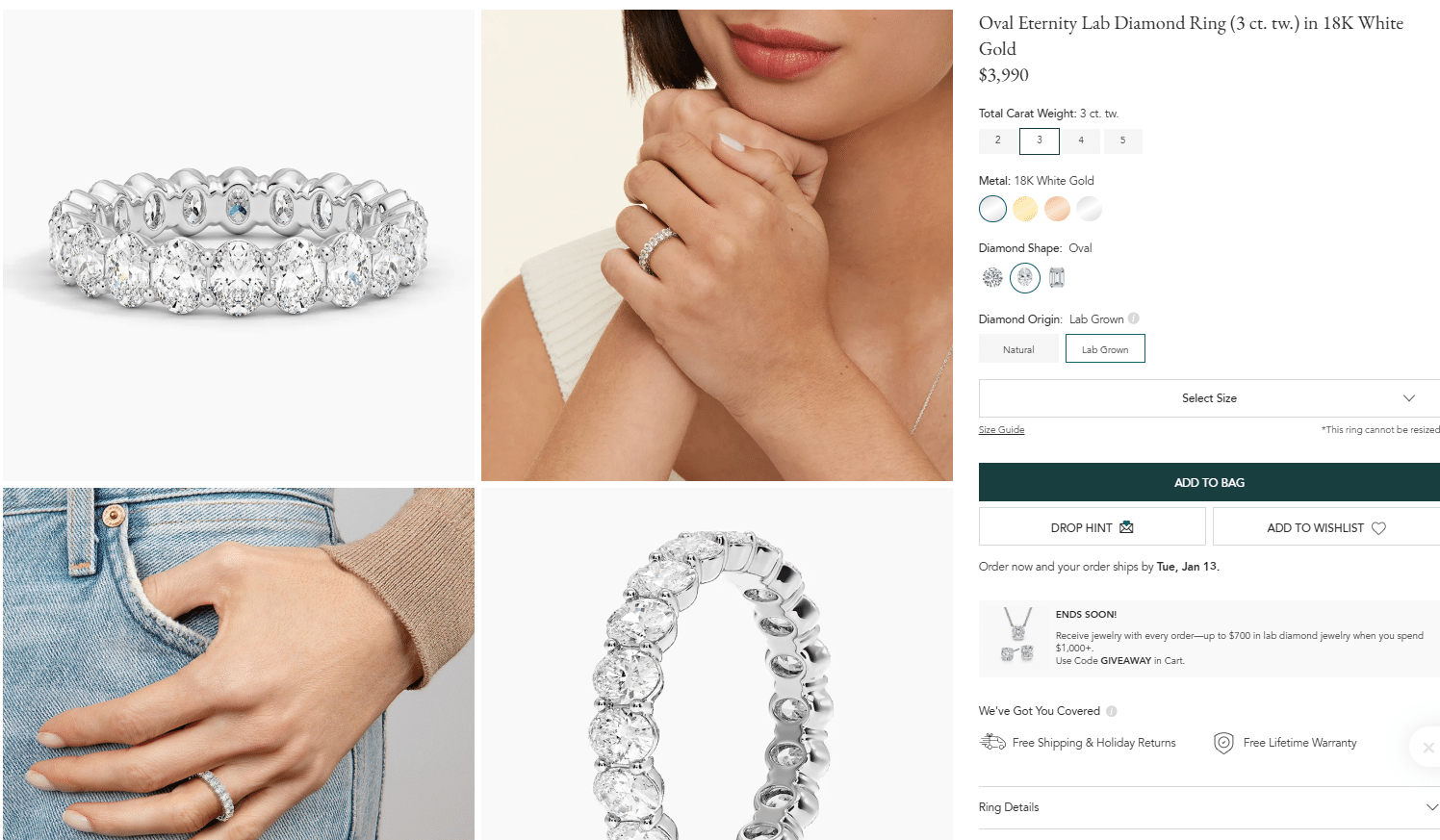
According to a report by The MVEye, lab grown diamonds captured over 50% of the engagement ring market in 2024. This shift reflects growing consumer awareness about sustainable engagement rings and ethical diamond alternatives.
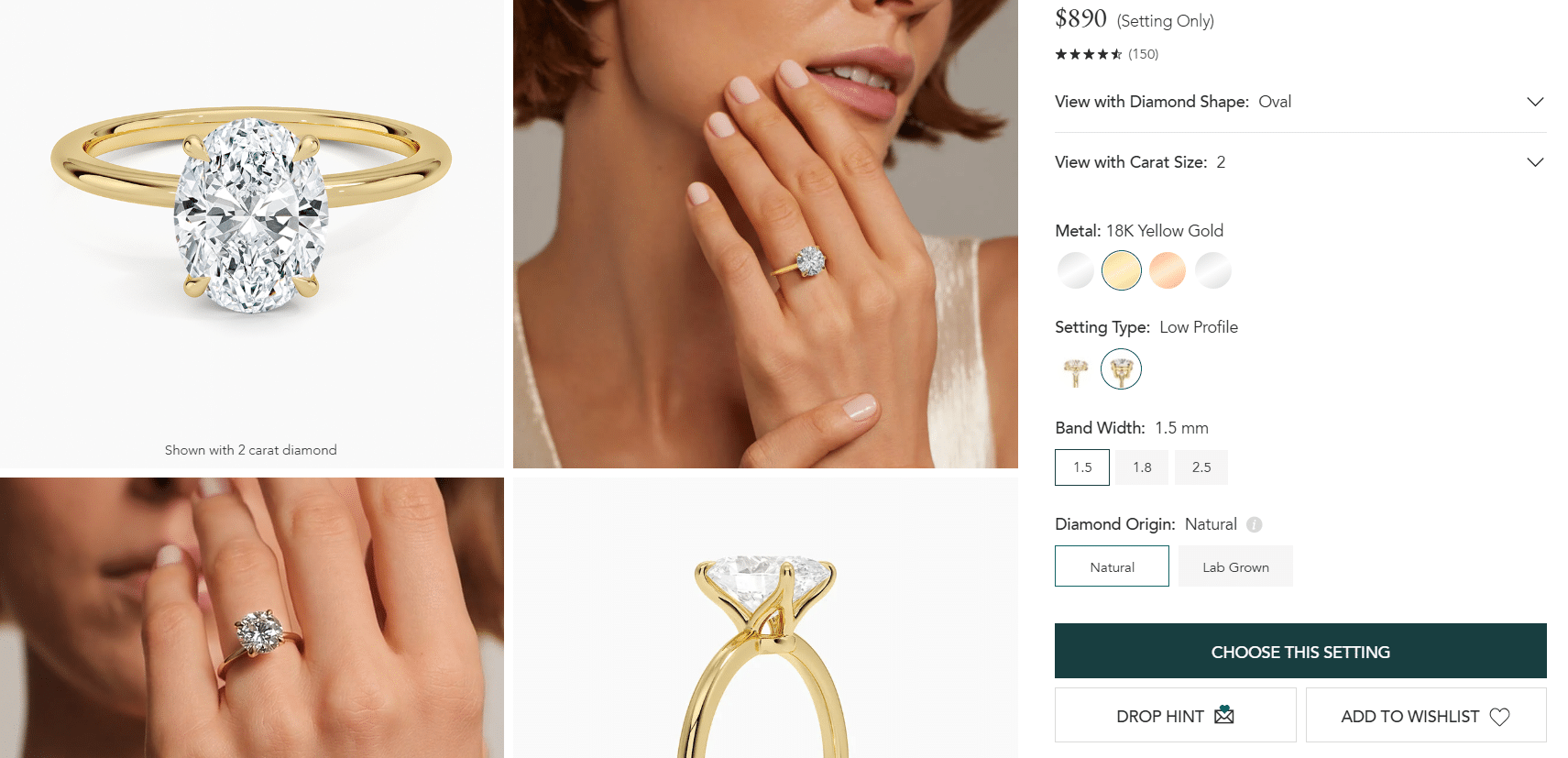
Elegant oval diamond engagement ring in yellow gold worn on hand
In this guide, we cover everything about lab grown diamond engagement rings. For specific topics, explore our detailed guides:
- 3 Carat Lab Grown Diamond Engagement Rings
- 2 Carat Lab Grown Diamond Engagement Rings
- Oval Lab Grown Diamond Engagement Rings
- Radiant Cut Lab Grown Engagement Rings
- Vintage Lab Grown Diamond Engagement Rings
- Lab Grown Diamond Anniversary Rings
- Hidden Halo Lab Grown Engagement Rings
- Lab Grown Diamond Bezel Rings
- Custom Lab Grown Diamond Engagement Rings
- White Gold Lab Grown Diamond Rings

What Are Lab Grown Diamond Engagement Rings?
Lab grown diamond engagement rings feature diamonds created in controlled laboratory environments using two primary methods: HPHT (High Pressure High Temperature) and CVD (Chemical Vapor Deposition). These man-made diamond engagement rings contain identical carbon crystal structures to natural diamonds.
The Federal Trade Commission officially recognizes lab created diamonds as real diamonds. They display the same fire, brilliance, and sparkle that make diamonds the preferred choice for engagement rings worldwide.
A gemologist cannot distinguish between a lab grown and natural diamond without specialized equipment. Both score 10 on the Mohs hardness scale and exhibit identical refractive indices.
How Are Lab Grown Diamonds Made?
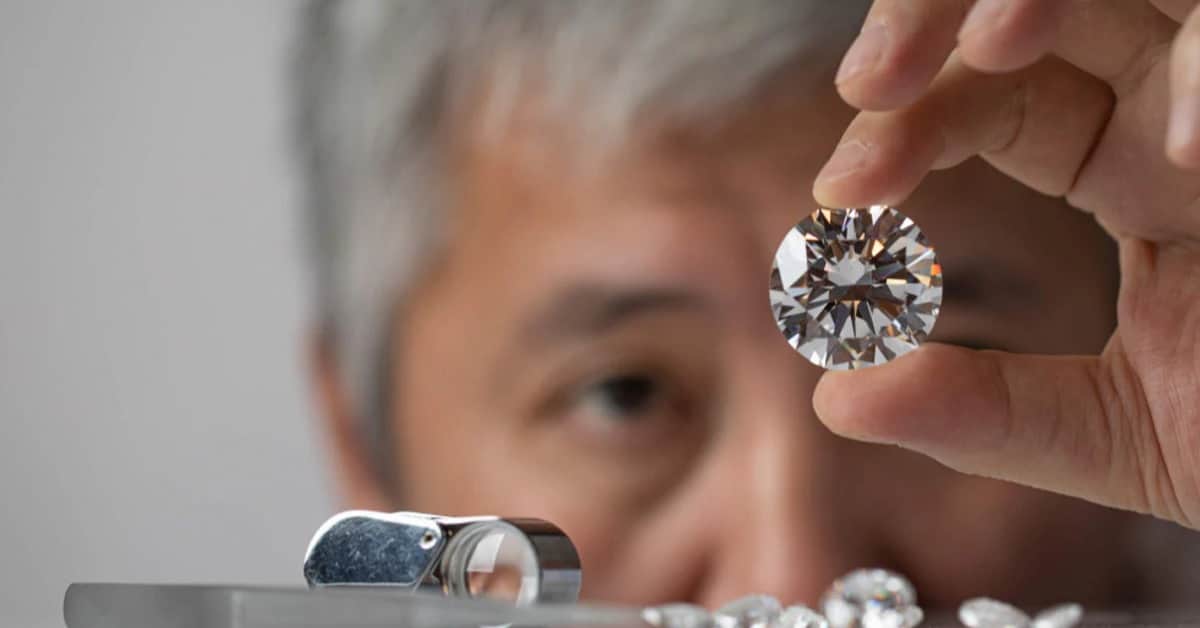
HPHT Method: Mimics the natural diamond formation process by subjecting carbon to extreme pressure (about 1.5 million pounds per square inch) and temperatures exceeding 2,700°F. This process takes several weeks and produces diamonds often used for industrial purposes and fine jewelry.
CVD Method: Places a diamond seed in a chamber filled with carbon-rich gases. These gases are ionized into plasma, causing carbon atoms to attach to the seed layer by layer. CVD diamonds tend to have fewer metallic inclusions and offer greater control over the final product.
Most engagement ring diamonds today come from CVD processes due to better clarity outcomes and more consistent color grades.

Classic 3ct round lab grown diamond engagement ring in yellow gold solitaire setting
Lab Grown vs Natural Diamond Engagement Rings
The debate between lab grown vs natural diamonds centers on value, ethics, and long-term considerations.
Feature | Lab Grown Diamonds | Natural Diamonds |
Chemical Composition | Pure Carbon | Pure Carbon |
Hardness | 10 Mohs | 10 Mohs |
Price | 60-80% Less | Full Market Price |
Resale Value | Limited | Higher Retention |
Environmental Impact | Lower | Higher |
Certification | IGI, GCAL | GIA, AGS, IGI |
Time to Create | 6-10 Weeks | Billions of Years |
Ethical Concerns | Minimal | Conflict Risk |
Visual Difference | None | None |
Insurance Cost | Lower | Higher |
Juli Church notes: “When customers ask me about lab grown versus natural, I tell them to focus on what matters to them personally. If you want the biggest, most brilliant diamond for your budget without ethical concerns, lab grown delivers. If generational value and rarity matter more, natural diamonds make sense.”
Benefits of Lab Grown Diamond Engagement Rings
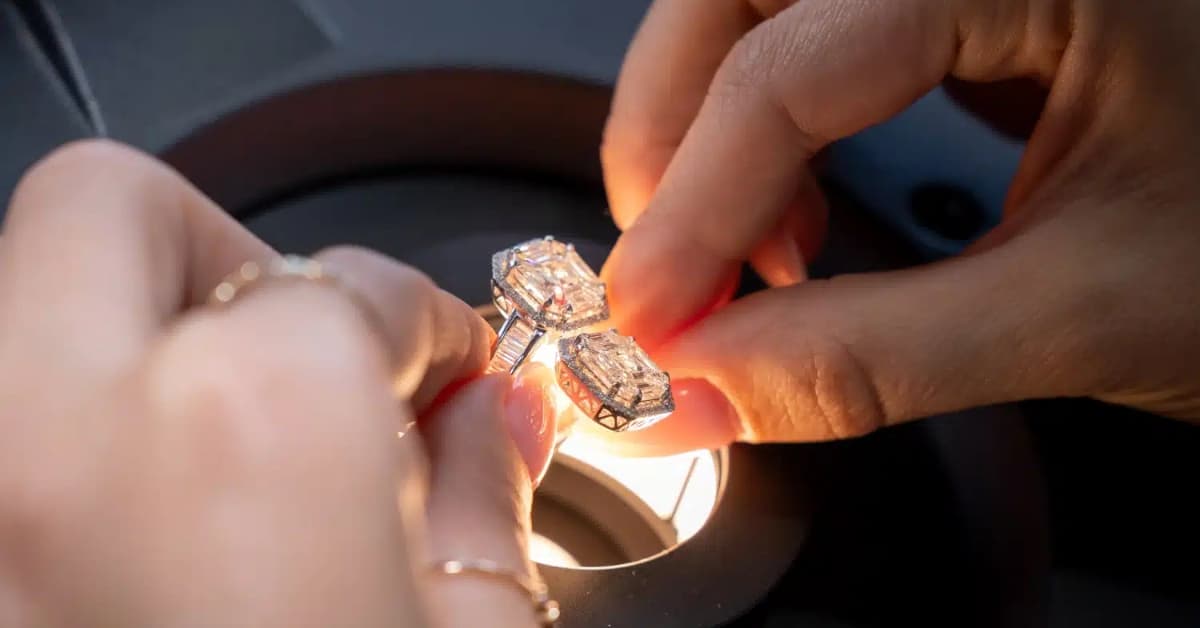
Cost Savings Without Compromising Quality
Lab grown diamonds cost 60-80% less than comparable natural diamonds. A 2-carat lab grown diamond with excellent cut, E color, and VS1 clarity might cost $2,500-$4,000. The same specifications in a natural diamond would run $15,000-$25,000.
These savings allow couples to prioritize other financial goals, whether that means a larger stone, a better setting, or contributions toward a home purchase.

Elegant five stone halo lab grown diamond ring in white gold anniversary style
Ethical and Eco-Friendly Choice
Eco-friendly diamond jewelry appeals to environmentally conscious buyers. Lab grown diamonds require no mining, which eliminates habitat destruction, water pollution, and carbon emissions associated with traditional diamond extraction.
The Kimberley Process has reduced conflict diamond circulation, but concerns remain about labor practices in certain mining regions. Lab grown diamonds bypass these issues entirely.
Guaranteed Origin and Quality
Every lab created diamond comes with documented origin. Lab diamond certification from reputable grading laboratories like IGI or GCAL provides detailed specifications about cut, color, clarity, and carat weight.
How to Choose a Lab Grown Diamond Engagement Ring

Prioritize Cut Quality Above All
Cut determines how well a diamond interacts with light. Even a D-color, internally flawless diamond will appear dull with a poor cut. Look for Excellent or Ideal cut grades from IGI-certified diamonds.
Select the Right Diamond Shape
Diamond shape affects both appearance and price. Round brilliant cuts cost more due to greater rough diamond waste during cutting. Fancy shapes like oval, cushion, and radiant offer larger face-up appearances at lower prices.
Popular engagement ring shapes include:
- Round Brilliant: Maximum sparkle, classic appeal
- Oval: Elongating effect, excellent brilliance
- Cushion: Romantic, vintage feel
- Princess: Modern, geometric lines
- Radiant: Combines brilliance with rectangular shape
- Emerald: Step-cut elegance, hall-of-mirrors effect

Elegant lab grown diamond eternity band in white gold worn on hand
Understand Color and Clarity Trade-offs
For lab grown diamonds, G-H color grades appear white to the naked eye and cost significantly less than D-E-F grades. Similarly, VS2 or SI1 clarity grades are typically eye-clean, meaning inclusions remain invisible without magnification.
Spending extra on D color or IF clarity rarely translates to visible differences in mounted rings.
Choose Your Setting Style
Ring settings dramatically impact overall appearance. Consider these popular options:
- Solitaire Setting: Timeless, highlights the center stone
- Halo Setting: Adds perceived size and extra sparkle
- Pavé Setting: Diamond-encrusted band for continuous brilliance
- Bezel Setting: Modern, protective metal rim
Best Places to Buy Lab Grown Engagement Rings Online
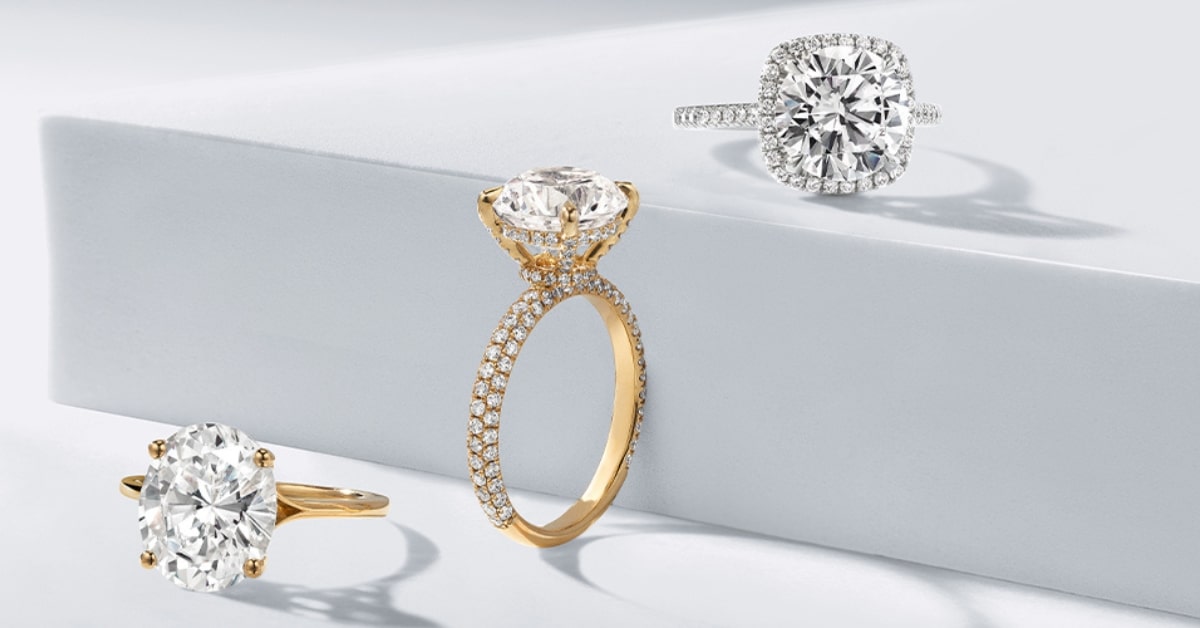
Online retailers offer superior selection and pricing compared to brick-and-mortar stores. Our team has evaluated the best online diamond stores based on inventory, inspection tools, customer service, and return policies.
James Allen
James Allen provides 360° HD diamond inspection videos for every stone in their inventory. Their non-commissioned gemologists help customers select diamonds without sales pressure. Free resizing and a 30-day return policy add confidence to purchases.
Blue Nile
Blue Nile carries extensive lab grown inventory with competitive pricing. Their diamond education resources help first-time buyers understand grading criteria.
Brilliant Earth

Brilliant Earth specializes in ethically sourced diamonds and sustainable jewelry practices. Their lab grown diamond collection features extensive customization options and transparent sourcing information.
Ritani
Ritani offers a unique advantage: free in-store previews at partner jewelers before purchase. Their lab grown selection combines online convenience with local verification options.
Helzberg Diamonds

Helzberg Diamonds provides both online shopping and nationwide store locations. Their lab grown diamond collection offers accessible entry points for budget-conscious buyers seeking trusted retail backing.
Case Study: Sarah’s 1.5 Carat Lab Grown Engagement Ring
Sarah, a 29-year-old marketing manager from Austin, shared her experience with LearningJewelry.com:
“My fiancé and I set a $5,000 budget for the engagement ring. At local jewelry stores, we found disappointing options—small diamonds with visible flaws, pushy salespeople, and zero flexibility.
After researching lab grown options, we purchased a 1.5-carat oval lab diamond (G color, VS2 clarity, Excellent cut) set in a white gold pavé band from James Allen for $3,800. The 360° video tool let us inspect multiple diamonds before choosing.
The ring arrived with IGI certification, and I genuinely cannot tell the difference from my friend’s natural diamond ring that cost $12,000. We used the savings toward our honeymoon fund.”

Elegant ballerina halo diamond engagement ring in platinum worn on hand
How to Verify a Lab Grown Diamond Certificate
Legitimate lab grown diamonds include certificates from recognized grading laboratories. Understanding lab diamond certification protects you from overpaying or receiving misrepresented stones.
Trusted Certification Labs:
- IGI (International Gemological Institute): Industry standard for lab grown diamonds
- GCAL (Gem Certification & Assurance Lab): Known for accurate and consistent grading
- GIA (Gemological Institute of America): Now grades lab grown diamonds with full reports
Verify certificates by entering the report number on the grading laboratory’s website. Cross-reference the listed specifications with what the retailer advertises.

Luxury lab grown diamond wedding set in yellow gold with up to 50% off bridal sale
Lab Grown Diamond Engagement Ring Prices
Lab grown diamond prices vary based on the 4Cs and market conditions. General price ranges for popular carat weights:
- 1 Carat: $800-$2,000
- 1.5 Carat: $1,500-$3,500
- 2 Carat: $2,500-$5,500
- 3 Carat: $5,000-$12,000
Complete engagement rings (diamond plus setting) typically add $500-$2,000 depending on metal type and setting complexity. For unique designs, explore our custom lab grown engagement ring guide.

Understanding Resale Value
Lab grown diamond resale value remains lower than natural diamonds. Production scalability means lab diamond prices continue declining, which affects secondary market values.
However, most engagement rings never get resold. If keeping your ring forever aligns with your intentions, resale value becomes irrelevant to the purchasing decision. Lab Grown Diamond Anniversary Rings.
Caring for Your Lab Grown Engagement Ring
Cleaning lab created diamonds follows the same practices as natural diamonds:
- Soak in warm water with mild dish soap for 20-30 minutes
- Use a soft toothbrush to gently scrub around the setting
- Rinse thoroughly under warm running water
- Pat dry with a lint-free cloth
- Professional cleaning every 6-12 months maintains brilliance