Wondering the reasons why you shouldn’t buy a lab grown diamond?
You’re in the right place.
In this Learning Guide, I’ll address all the reasons why people say you shouldn’t buy a lab diamond engagement ring instead of a mined diamond ring.

Not only that, but I’ll let you know once and for all what is truly myth and fact about lab created diamonds and answer these questions:
- Are Lab Grown Diamonds Simulated Diamonds?
- Do Lab Diamonds Have Resale Value?
- Is a Synthetic Diamond a Fake Diamond?
Myth #1: Lab Grown Diamonds Aren’t Real Diamonds
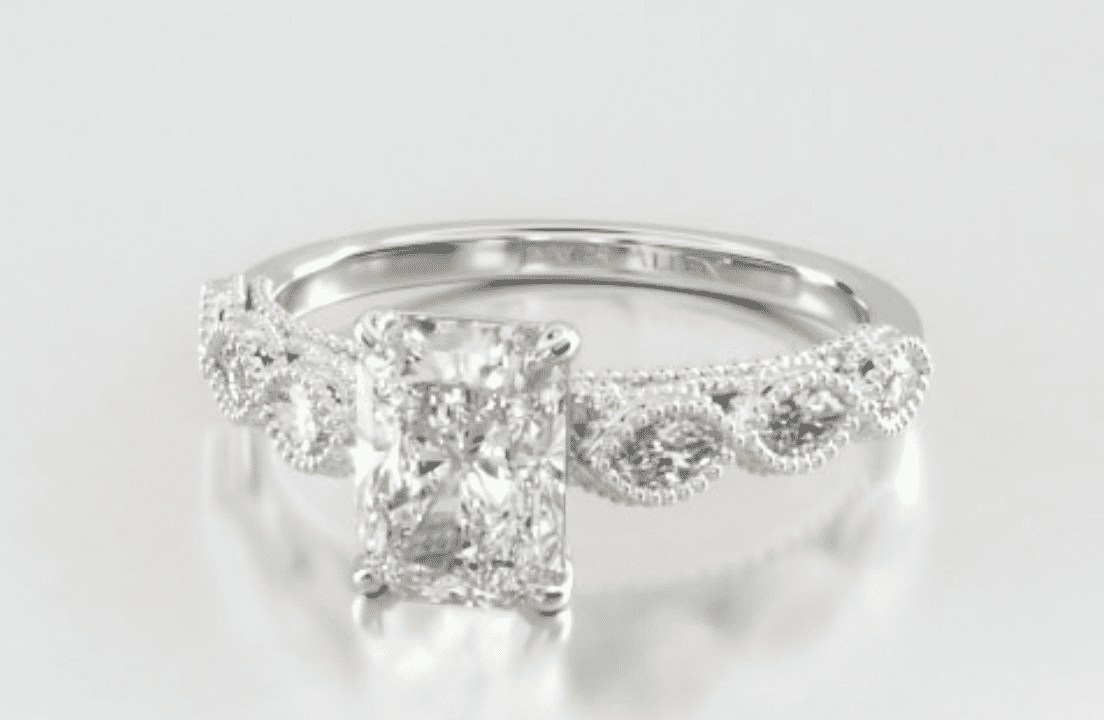
Fact: A Man Made Diamond is A Real Diamond.
Even though the popularity of choosing a lab made diamond for an engagement ring has increased, a lot of people still think laboratory grown diamonds are fake diamonds, like cubic zirconia or another diamond simulant.
This is one of the biggest myths out there.
Read also: Simulated Diamonds 101 – what are they anyway?
A lab created diamond has the same physical, chemical, and optical properties as an earth created diamond. The main difference between the two is their origin.
An earth mined diamond takes billions of years to form deep within the earth. The conditions needed when growing diamonds are really hot temperatures and lots of pressure.
The conditions are perfect deep into the earth. But in a lab environment, these hot and heavy conditions have to be recreated.
Lab grown diamonds start from a diamond seed, which is a tiny piece of a diamond. For a CVD diamond, scientists only use Type IIa diamond seeds.
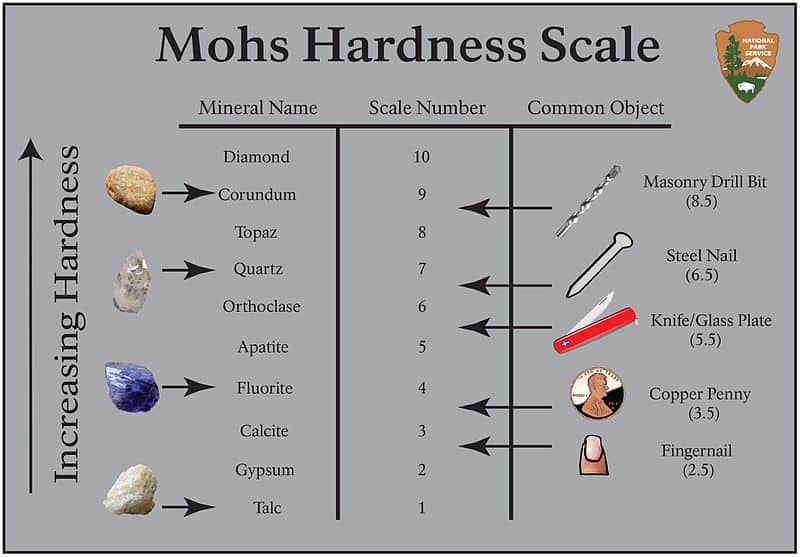
Image by the National Park Service. Public Domain.
A lab diamond will have the same hardness rating on the Mohs scale and the resistance to blows as a mined diamond. They sparkle the same and are made up of the same components.
Read also: CVD Diamonds vs HPHT Diamonds
Just think of it as two different ways to achieve the same results.
Myth #2: Lab Created Diamonds Are Good For The Environment.

Fact: Lab Created Diamonds Are Better For The Environment
There’s a fine line between good and better. This half-myth falls on this thin line. A lot of people think that lab grown diamonds are eco-friendly and sustainable. Many environmentalists will push for them instead of mined diamonds.
But not all lab diamonds are sustainable. Most of them have a carbon footprint. It’s much smaller than the diamond mining industry.
The Federal Trade Commission (FTC) had to put out a warning to lab diamond companies about using “sustainable” and “green” when referring to their products.
Unless the lab diamond company has the evidence to back up their claims, it’s safe to assume your diamonds aren’t completely eco-friendly.
Make sure to do your homework if that’s a serious concern for you.
But make no mistake, lab created diamonds are much better for the environment than diamond mining. There’s better conditions for workers, less injuries, and the earth isn’t being blown up with explosives. The chambers that grow diamonds use less energy and fossil fuels than what it takes to mine natural diamonds.
Read also: How to Buy Ethical Diamonds
Myth #3: Laboratory Grown Diamonds Are Worthless
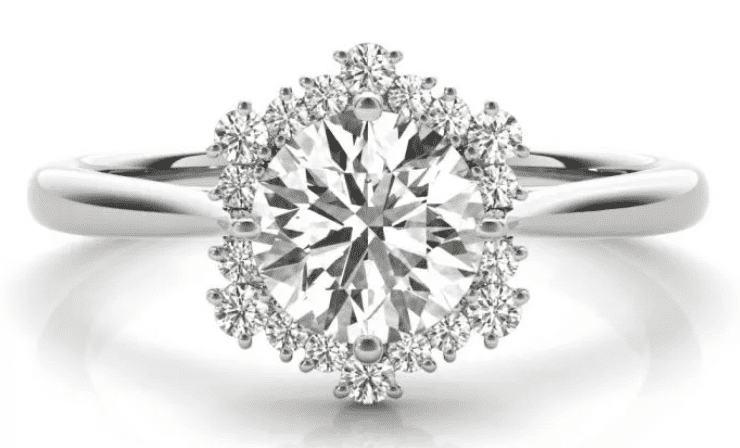
Fact: Lab Diamonds Aren’t Eligible for Most Resale or Upgrade Programs
I hate when people say this. Lab diamonds aren’t “worthless”. Any gemstone is only worthless if you don’t like it and hold no attachment to it.
To say a diamond ring is worthless just because of how the diamond was created is absurd.
But here’s why some jewelry stores pushing natural diamonds will tell you that.
Some jewelers say lab grown diamonds are worthless because they have no resale value. That’s mostly true, at least the lab diamond resale value part.
That doesn’t mean that your lab diamond can’t be resold, but the typical places won’t take it. Since lab grown diamonds can be 30-70% cheaper than mined diamonds, their prices are always fluctuating. Pawn shops wouldn’t be able to keep up with the price, so they don’t take them.
A lot of jewelry stores offer trade-ins or upgrade policies. You can trade your original diamond in for a diamond that’s usually double the price, at minimum.
However, these policies don’t apply to lab diamond engagement rings. There are some exceptions, but very few stores offer this because they’d lose out on too much money.
Just because you’re not eligible for these programs or reselling at a pawn shop, doesn’t mean it can’t be resold on other marketplace sites. It doesn’t have zero resale value.
You know what else?
Earth made diamonds don’t have great resale or investment value. In fact, you shouldn’t invest in diamonds anyway, unless they’re fancy colored diamonds. That’s where the money is. Those are so rare, it’d be very difficult to invest in them.
Read also: Best Places to Buy Colored Diamonds
Myth #4: Lab Grown Diamonds Can’t Be Insured or Appraised

Fact: Lab grown diamonds can be appraised and insured.
I think this assumption comes from one of the other myths, that lab grown diamonds don’t have any value. But just because you can’t use them for resale or investments, doesn’t mean you didn’t pay for them.
You can insure many different things other than jewelry. Some outrageous things, according to celebrities. So why wouldn’t you be able to get your lab grown diamond insured?
I definitely recommend getting your engagement ring insured. My favorite place for engagement ring insurance is Jewelers Mutual. They even cover mysterious losses.
And as for appraisals, some lab diamond ring companies will give you an appraisal. Appraisals help you get insurance. People think that an appraisal is the value of the ring. Instead, it’s how much it would cost to replace it for insurance purposes.
Read also: Top 5 Places to Get Jewelry Insurance Online
Myth #5: You Don’t Need Diamond Certification on A Lab Grown Diamond

Fact: You Should Only Buy Certified Diamonds, Period.
A lot of people buying their first major piece of diamond jewelry don’t know about diamond certification. That’s because a lot of preset engagement rings at your favorite mall jewelers don’t have them.
If you’re buying a diamond engagement ring, you need a diamond certification. It doesn’t matter if it’s a mined diamond or a man made diamond. All center diamonds need a certification.
What is diamond certification?
I’m glad you asked. Listen up.
A certified diamond will have either a digital report or printed report, like an index card. They can also be called grading reports. These certifications are distributed by different jewelry labs. They tell you all of the grades and specifics of your diamond.
With a lab grown diamond, the report might tell you which method was used to grow your diamond.
The main things on a grading report are the diamond clarity, diamond color, polish, symmetry, fluorescence, natural or lab created, diamond shape, cut grade (if applicable), diamond plot with inclusions, and grading authority. Some grading labs offer extra details with their reports.
The reason why diamond certs are so important is because it lets you know that you’re not getting ripped off.
But not all grading labs are the same. The best diamond certifying labs for natural diamonds and lab grown diamonds differ.
We recommend buying Gemological Institute of America (GIA), American Gem Society (AGS) , International Gemological Institute (IGI), or Gem Certification and Assurance Lab (GCAL) grading reports for lab created diamonds. You don’t want to go buying some other random lab report no one’s ever heard of.
You might hear of lab diamonds being independently certified by a GIA gemologist. That doesn’t mean it has an official GIA grading report. That means someone who graduated their GG program has graded the diamond, but they’re not affiliated with the lab.

You want a grading report that has been distributed by the lab. The report number on your certificate lets you know that it’s a real diamond and that its your diamond.
Some reports have the report number inscribed on the girdle of the diamond. I highly recommend doing this if you don’t have one. The GIA can laser inscribe your diamond.
So if someone steals it and tries to pawn it, the pawnshop will know:
A) that it’s a laboratory grown diamond and can’t be sold anyway
B) you’ve reported it stolen and they can call the cops.
All he has to do is search for the number on the website.
You can match diamond report numbers to their grading labs when browsing your own diamonds. Many online retailers allow you to view the diamond’s report when going through their inventory.
You can type in the same number on the corresponding authority’s site and make sure all the details match and it does in fact exist.
Read also: Best Lab Diamond Certifications
Myth #6: All Lab Grown Diamonds Are Created Equal
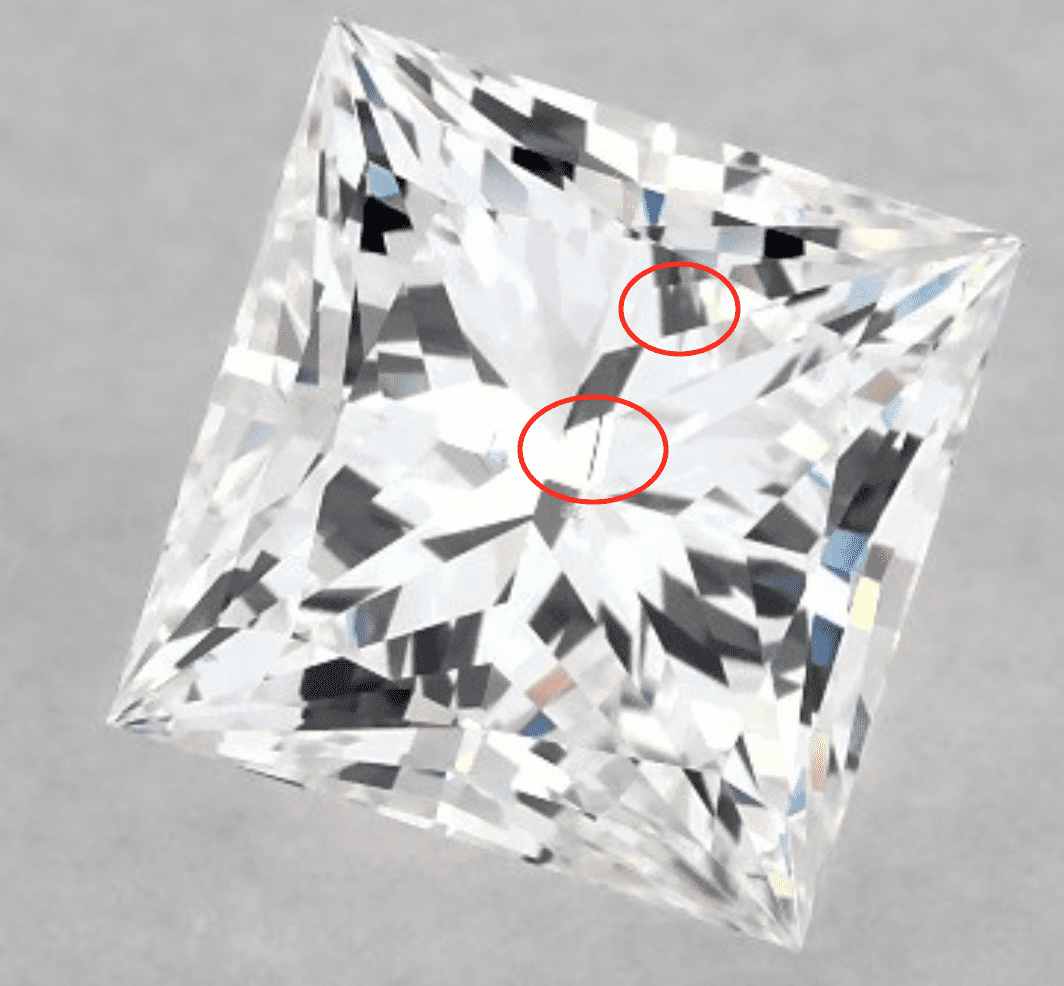
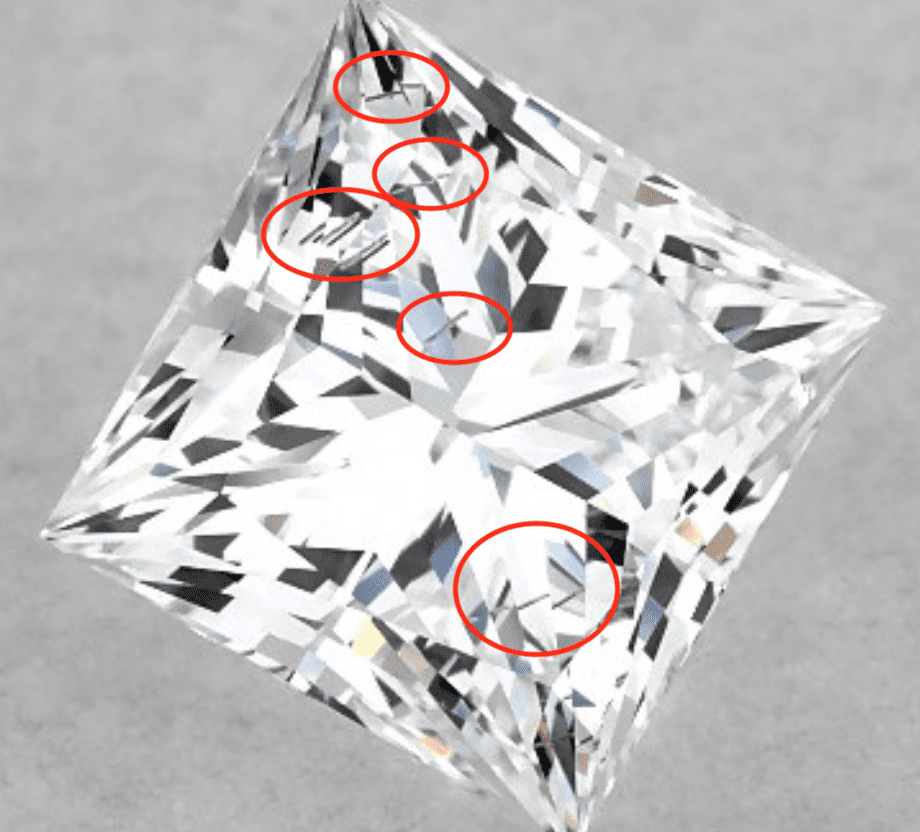
Fact: Lab Diamonds have different diamond grades just like natural diamonds
No diamond is the same. There may be some that look the same at first glance, but their clarity imperfections will always be different. Even in eye-clean diamond grades, there are still different characteristics. That’s why they’re graded.
Lab diamonds are graded the same way as mined diamonds. They can be tinted yellow and they can have inclusions. However, they’re known to have better clarity as a whole.
Some people believe that all lab grown diamonds are flawless and colorless. That’s not the case. While creating a flawless and colorless diamond is easier than mining one, they’re not all like that.
Some lab diamonds may have natural tints to them that aren’t listed in the diamond specifics. A lot of this has to do with which process was used to create the diamond.
Lab created diamonds are usually made by the high pressure high temperature method (HPHT) or the chemical vapor deposition method (CVD).
HPHT diamonds can have blue nuance, which is a slight blue glow. It’s different from diamond fluorescence. CVD diamonds may have a brownish tint to them. It doesn’t mean they appear brown like a brown diamond, but a very faint hue may be present.
Read also: How to Tell the Difference Between Lab & Natural Diamonds?
Myth #7: The Lab Grown Diamond Phase Will Fade
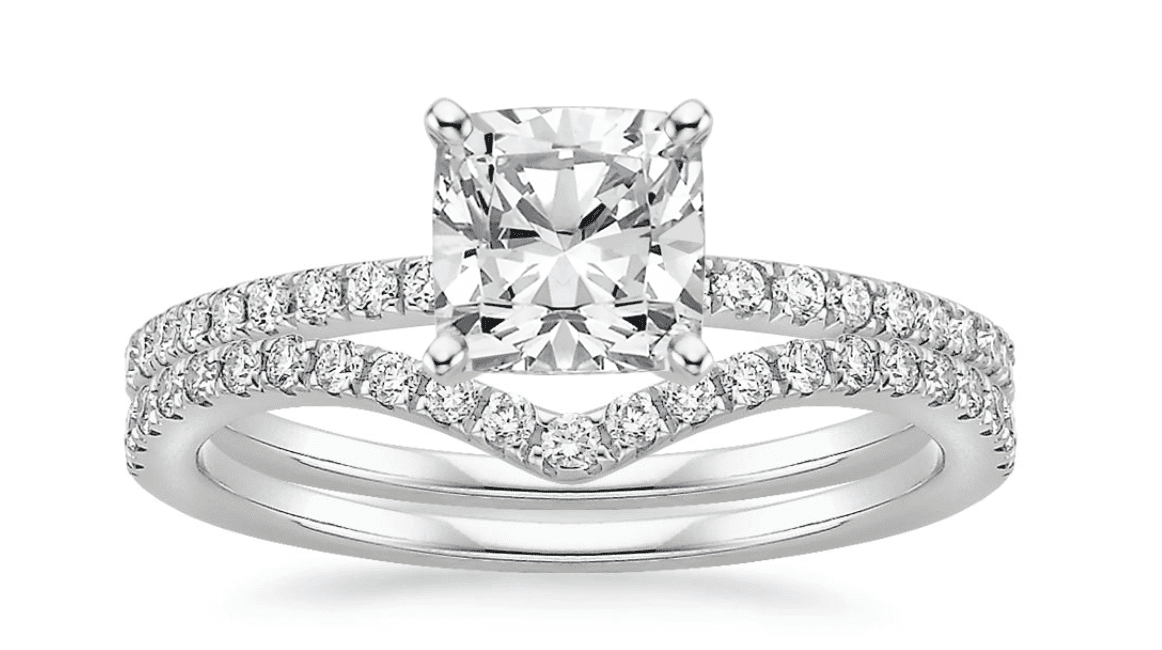
Fact: 1 out of 4 engagement rings have an artificial diamond as the center stone.
Jewelry stores love to tell their customers that lab diamonds won’t always be popular. Unfortunately for them, they’re wrong.
The jewelry industry believes lab grown diamonds are here to stay. With the amount of earth grown diamond decreasing, lab diamonds give an opportunity to keep producing.
Furthermore, the generations now buying engagement rings are more conscious of diamond price and ethics of their engagement rings. Many are convinced that every diamond is a conflict diamond, even if that’s not the case.
But you can’t argue that knowing your diamond is 100% ethical is a good thing. And if that doesn’t sell you, the price difference will.
Even De Beers, the godfather of the diamond industry, has finally decided to offer lab grown diamonds directly to consumers.
Read also: How Are Lab Diamonds Priced?
Conclusion
So, why shouldn’t you buy a lab diamond?
The truth is, the only reason not to buy a lab grown diamond is because you want a mined diamond or other gemstone instead.
If you’d like to purchase lab grown diamonds, I recommend Brilliant Earth.
If you’d like to purchase mined diamonds, James Allen has the lowest prices around.
If you’d like to know exactly where your natural diamond has come from, you should choose Brilliant Earth’s blockchain diamonds.
You should always buy what you want-but make sure to do your research too. Don’t listen to what everyone around you says, because not everything you read on the internet is true.
Want to see things from the opposite viewpoint? Read all of the reasons why you should get a lab grown diamond.