Looking for comprehensive information on Lab Grown Diamond Anniversary Rings? Visit our complete Lab Grown Diamond Engagement Rings Guide for everything you need to know.

Anniversary rings mark milestones worth celebrating. Whether commemorating five years, ten years, or a silver anniversary, these rings symbolize enduring commitment and shared history. Lab grown diamonds have transformed anniversary ring buying, making substantial diamond gifts accessible at every budget level.
Unlike engagement rings purchased under proposal pressure, anniversary rings allow couples to shop together, discuss preferences openly, and select pieces reflecting their evolved tastes. This collaborative approach often leads to more satisfying purchases.

Juli “Jewels” Church, Certified Diamontologist at LearningJewelry, sees anniversary ring shoppers differently than engagement ring buyers: “Anniversary shoppers know what they want. They have worn jewelry for years and understand their preferences. Lab grown diamonds let them upgrade significantly without the guilt of overspending on themselves.”
Why Choose Lab Grown Diamonds for Anniversary Rings
Anniversary rings serve different purposes than engagement rings. They complement existing jewelry rather than standing alone. Lab grown diamonds excel in this role for several reasons.

Budget Flexibility: Lab grown diamond prices run 60-80% below natural equivalents. Anniversary budgets stretch further, funding more impressive pieces or higher quality stones.
Ethical Alignment: Couples increasingly prioritize sustainability. Lab grown vs natural diamond comparisons favor lab grown options environmentally.
Matching Potential: Lab grown diamonds allow affordable matching with existing engagement rings. Coordinating stones becomes financially feasible rather than prohibitively expensive.
Guilt-Free Gifting: Lower costs reduce anxiety around anniversary spending. Partners give generously without financial strain.

Popular Lab Grown Diamond Anniversary Ring Styles
Several ring styles suit anniversary celebrations particularly well.
Eternity Bands

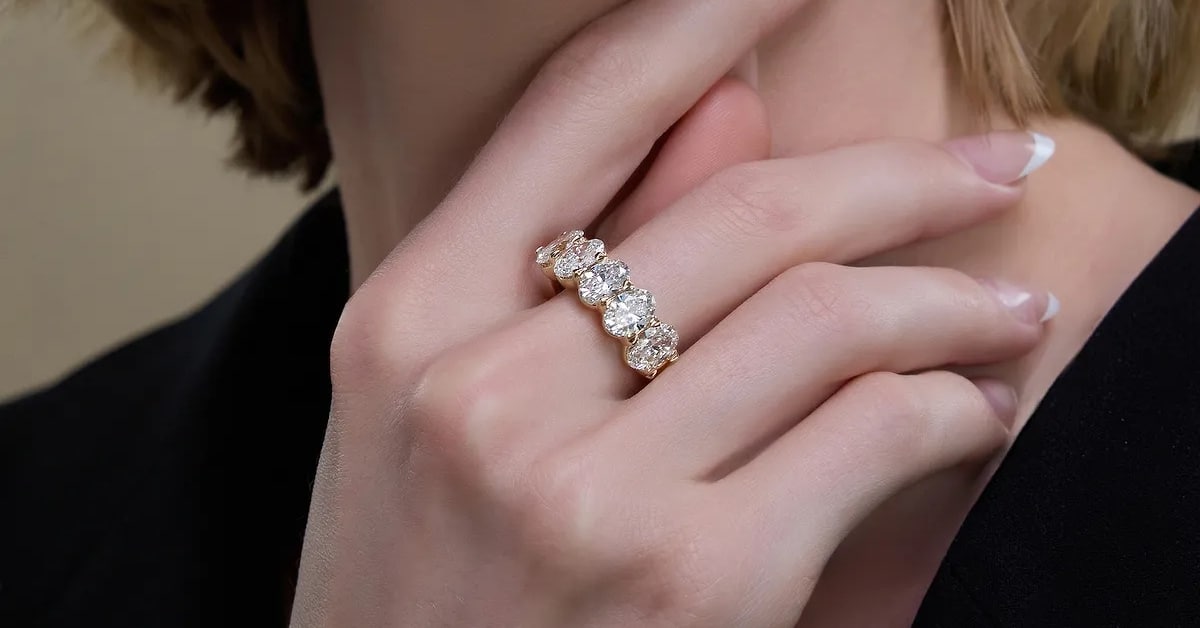
Eternity bands feature diamonds circling the entire band, symbolizing never-ending love. Full eternity bands contain diamonds around the complete circumference. Half eternity bands feature diamonds across the visible top portion only.
Full eternity bands cost more and require precise sizing since resizing proves difficult with continuous stone settings. Half eternity bands offer easier adjustments and lower price points while maintaining stunning visual impact.
Lab grown diamonds make full eternity bands financially accessible. A 2 carat total weight natural diamond eternity band costs $4,000-$8,000. Comparable lab grown versions range $1,200-$2,500.
Five-Stone Rings

Five-stone anniversary rings traditionally represent five years of marriage, though they suit any milestone. The design balances substantial diamond presence with comfortable daily wear.
Stones typically graduate in size, larger center diamond flanked by progressively smaller side stones, or match uniformly across all five positions. Both arrangements create elegant, meaningful pieces.
Seven-Stone Rings

Seven-stone rings commemorate seven-year anniversaries or represent each day of the week. The extended diamond row creates more substantial presence than five-stone versions while maintaining balanced proportions.
Three-Stone Anniversary Rings

Three-stone settings carry inherent symbolism, past, present, and future. For anniversaries, this meaning deepens, representing the journey traveled together and commitment to years ahead.
Quality lab grown center stones flanked by matching side diamonds create stunning anniversary pieces at accessible prices.
Stacking Bands

Thin diamond bands designed for stacking allow personalized combinations. Couples add bands at different anniversaries, building layered looks reflecting their shared history.
Pavé settings work beautifully for stackable bands, small diamonds set closely together create continuous sparkle without excessive height that interferes with stacking.
Anniversary Ring Style Comparison
Style | Diamond Coverage | Typical TCW | Best For | Price Range (Lab Grown) |
Full Eternity | Complete Circle | 1.5-3 ct | Major Milestones | $1,500-$4,000 |
Half Eternity | Top Half | 0.75-1.5 ct | Everyday Wear | $800-$2,000 |
Five-Stone | Five Diamonds | 1-2 ct | 5th Anniversary | $1,000-$2,500 |
Seven-Stone | Seven Diamonds | 1.25-2.5 ct | 7th Anniversary | $1,200-$3,000 |
Three-Stone | Three Diamonds | 1-2.5 ct | Any Milestone | $1,200-$3,500 |
Stacking Band | Partial | 0.25-0.75 ct | Building Collection | $400-$1,200 |
Total carat weight (TCW) significantly impacts pricing. Higher TCW commands premium prices regardless of individual stone sizes.
Choosing Diamond Quality for Anniversary Rings
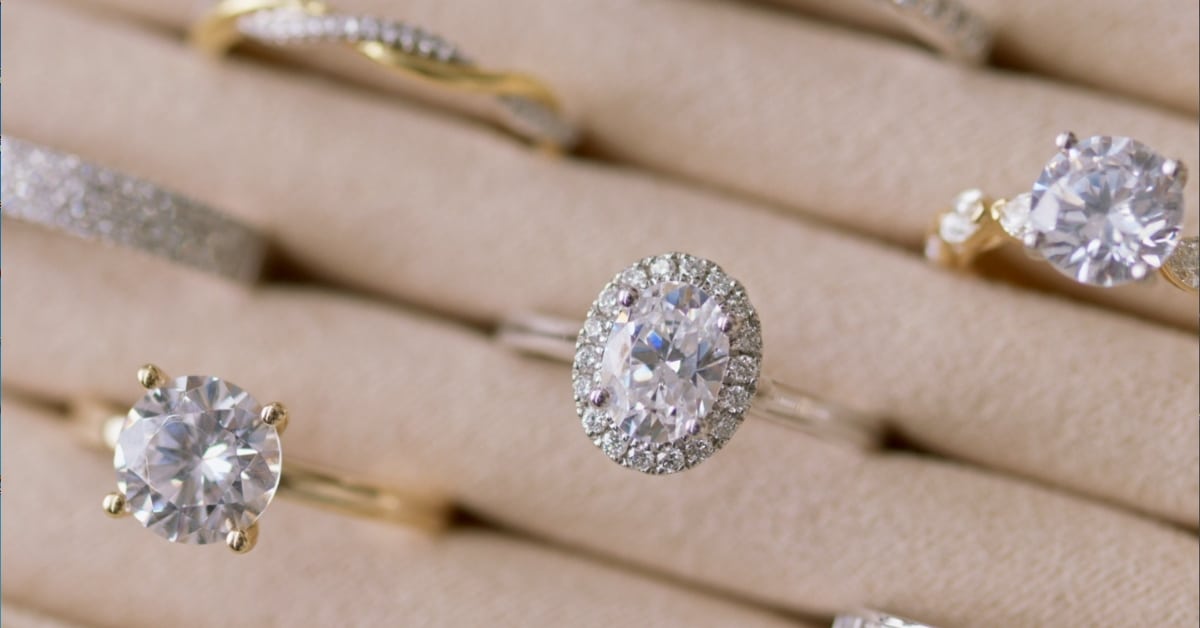
Anniversary ring diamonds require slightly different evaluation than engagement ring center stones.
Cut Remains Critical
Cut quality determines sparkle regardless of setting style. For anniversary bands featuring multiple smaller diamonds, overall cut consistency matters more than individual stone perfection.
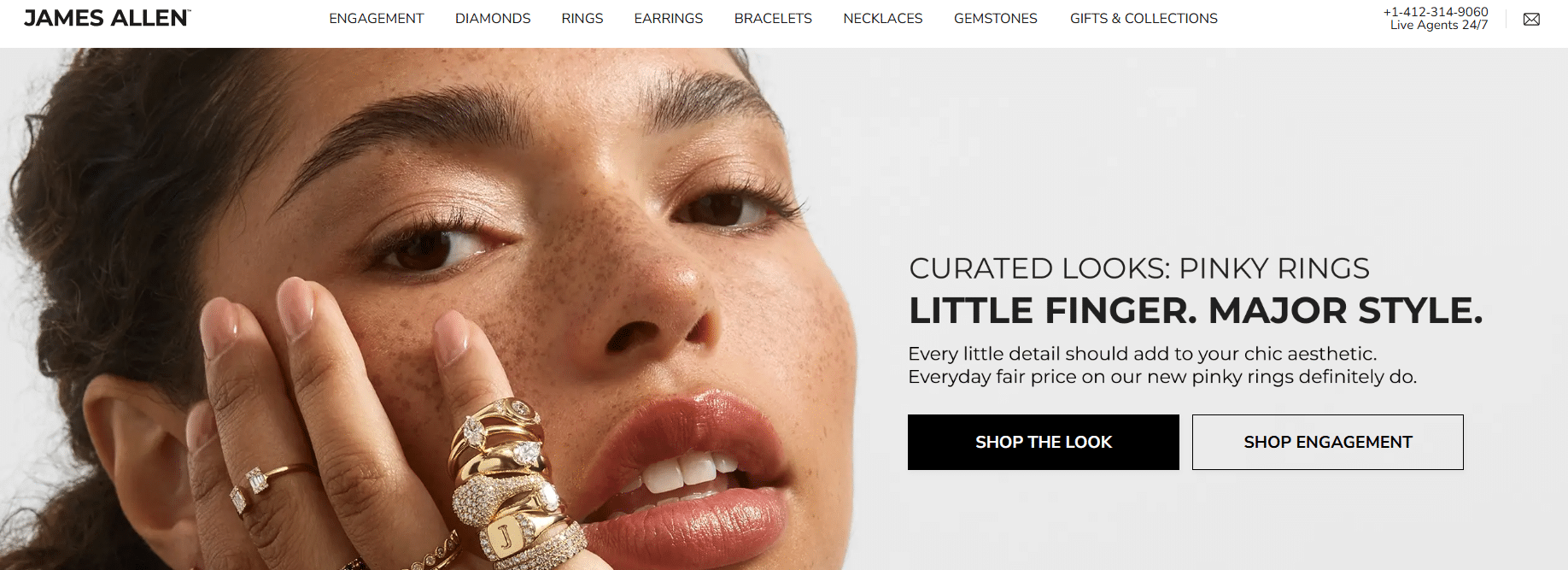
Retailers like James Allen provide detailed specifications for each diamond in multi-stone settings. Verify Excellent or Very Good cut grades across all stones.
Color Matching Matters
Anniversary rings often sit alongside engagement rings. Color matching ensures cohesive appearance. If your engagement ring features G color diamonds, anniversary band diamonds should fall within one grade (F-H range) to avoid visible contrast.
Diamond color differences become more apparent when stones sit directly adjacent. Mismatched colors create distracting visual inconsistency.
Clarity Requirements Decrease
Smaller diamonds in anniversary bands hide inclusions more effectively than larger center stones. VS2 and SI1 clarity grades produce reliably eye-clean results in stones under 0.50 carats.
For eternity bands featuring many small diamonds, SI1-SI2 clarity often suffices. Inclusions remain invisible at typical viewing distances, and savings accumulate across multiple stones.

Matching Anniversary Rings with Engagement Rings
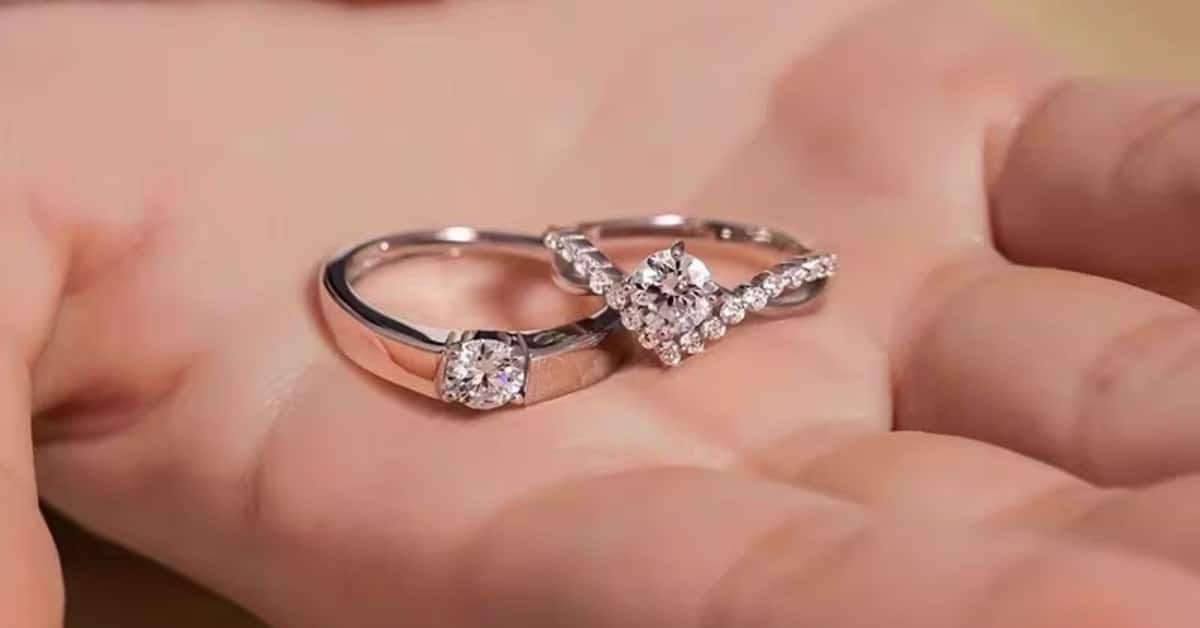
Successful pairing requires attention to several factors.
Metal Consistency
Match anniversary ring metal to engagement ring metal for cohesive appearance. Mixing white gold with yellow gold creates intentional contrast that some couples appreciate, but unintentional mismatches appear disjointed.
Platinum engagement rings pair best with platinum anniversary bands. White gold anniversary rings work acceptably but may require more frequent rhodium plating to maintain matching brightness.
Profile Compatibility
Ring profiles must nestle comfortably together. Curved or contoured anniversary bands accommodate engagement ring center stones that extend below the band. Straight anniversary bands work best with lower-profile engagement settings.
Solitaire engagement rings with higher settings may require specially curved anniversary bands preventing gaps between rings.
Style Harmony
Consider overall aesthetic compatibility. Vintage-inspired engagement rings pair beautifully with milgrain-detailed anniversary bands. Modern minimalist engagement rings suit sleek, contemporary anniversary designs.
Halo engagement rings coordinate well with delicate pavé anniversary bands that complement rather than compete with the halo sparkle.

Lab Grown Diamond Anniversary Ring Prices
Anniversary ring prices vary based on style, total carat weight, and diamond quality.
Total Carat Weight | Quality Tier | Style | Price Range |
0.50 ct | G-H, VS2 | Half Eternity | $500-$900 |
1.00 ct | G-H, VS2 | Half Eternity | $900-$1,500 |
1.50 ct | G-H, VS2 | Full Eternity | $1,400-$2,200 |
2.00 ct | G-H, VS2 | Full Eternity | $1,800-$3,000 |
1.00 ct | G-H, VS2 | Five-Stone | $1,000-$1,800 |
1.50 ct | G-H, VS2 | Three-Stone | $1,300-$2,400 |
Compare these figures against natural diamond equivalents costing 3-4 times more. Lab grown anniversary rings deliver significant value while maintaining identical visual appearance and durability.
Setting Styles for Anniversary Bands
Setting choice affects both appearance and practicality.
Channel Setting
Channel settings secure diamonds between two metal walls. This creates smooth profiles comfortable for daily wear. Diamonds sit protected within the channel, reducing snagging on fabrics and minimizing damage risk.
Channel-set anniversary bands suit active lifestyles. The secure setting prevents stone loss during physical activities.
Pavé Setting
Pavé settings feature small diamonds set closely together, held by tiny prongs or beads. This creates maximum sparkle per carat weight. Pavé bands appear more brilliant than channel-set alternatives at similar carat weights.
However, pavé settings require more maintenance. Small prongs can loosen over time, requiring periodic professional inspection.
Prong Setting
Individual prong settings showcase each diamond distinctly. This works well for three-stone and five-stone anniversary rings where larger individual diamonds warrant prominent display.
Four-prong and six-prong configurations balance security with maximum light entry. Six prongs offer greater security while four prongs expose more diamond surface.
Bezel Setting
Bezel settings wrap metal completely around each diamond. This modern aesthetic offers maximum protection for active wearers. Bezel-set anniversary bands withstand demanding lifestyles exceptionally well.
The trade-off involves slightly reduced brilliance since metal surrounds the diamond perimeter rather than allowing light entry from all angles.

Case Study: Maria’s 10th Anniversary Ring
Maria, a 38-year-old teacher from San Diego, shared her anniversary ring experience:
“For our 10th anniversary, my husband wanted to surprise me with something meaningful. My engagement ring features a 1 carat round lab grown diamond in a simple solitaire setting, beautiful but understated.
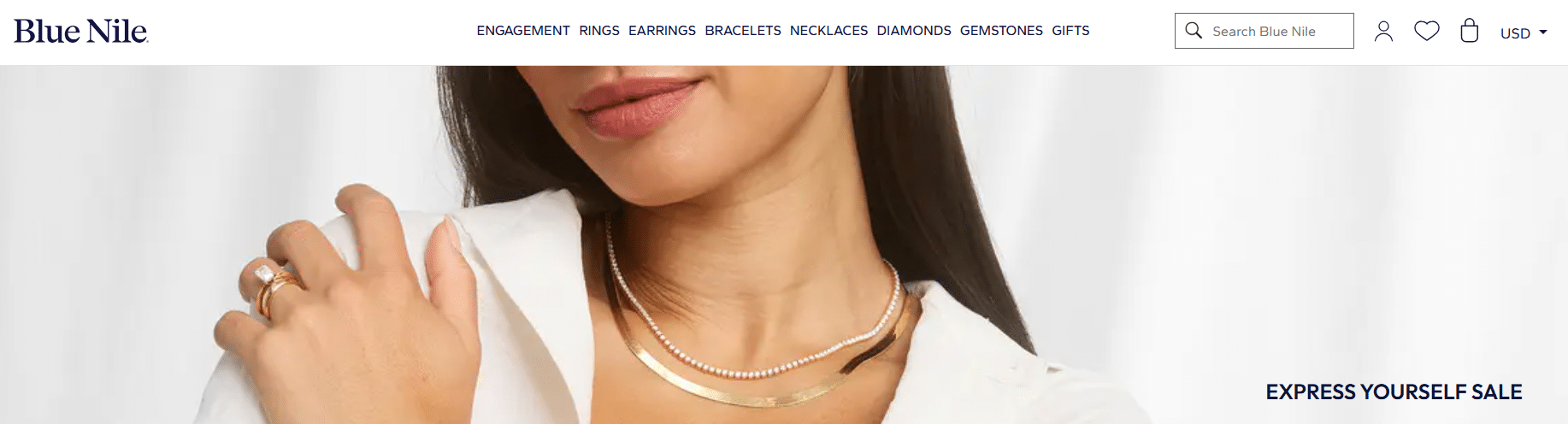
He researched anniversary bands that would complement without overwhelming. After consulting guides on LearningJewelry, he selected a half eternity band with 0.75 total carat weight from Blue Nile, G color, VS2 clarity lab grown diamonds in channel setting.
The band cost $950 and matches my engagement ring perfectly. Both rings share identical metal (14k white gold) and similar color grades, creating seamless pairing.
What touched me most was his thoughtfulness in researching compatibility. The rings sit flush together without gaps. Friends assume they were purchased as a set originally.”
Where to Buy Lab Grown Anniversary Rings
These retailers offer quality anniversary ring selections:


Caring for Lab Grown Diamond Anniversary Rings
Anniversary bands require regular maintenance to preserve brilliance.
Proper cleaning becomes especially important for multi-stone settings where debris accumulates between diamonds. Weekly soaking in warm water with mild dish soap followed by gentle brushing maintains sparkle.
Professional cleaning every six months reaches buildup trapped beneath settings. Jewelers simultaneously inspect prongs and channels for wear requiring attention.
Store anniversary bands separately from other jewelry. Diamonds can scratch softer metals and gemstones. Individual soft pouches or divided jewelry box compartments prevent damage.
Video Resource
For visual guidance on anniversary ring selection: