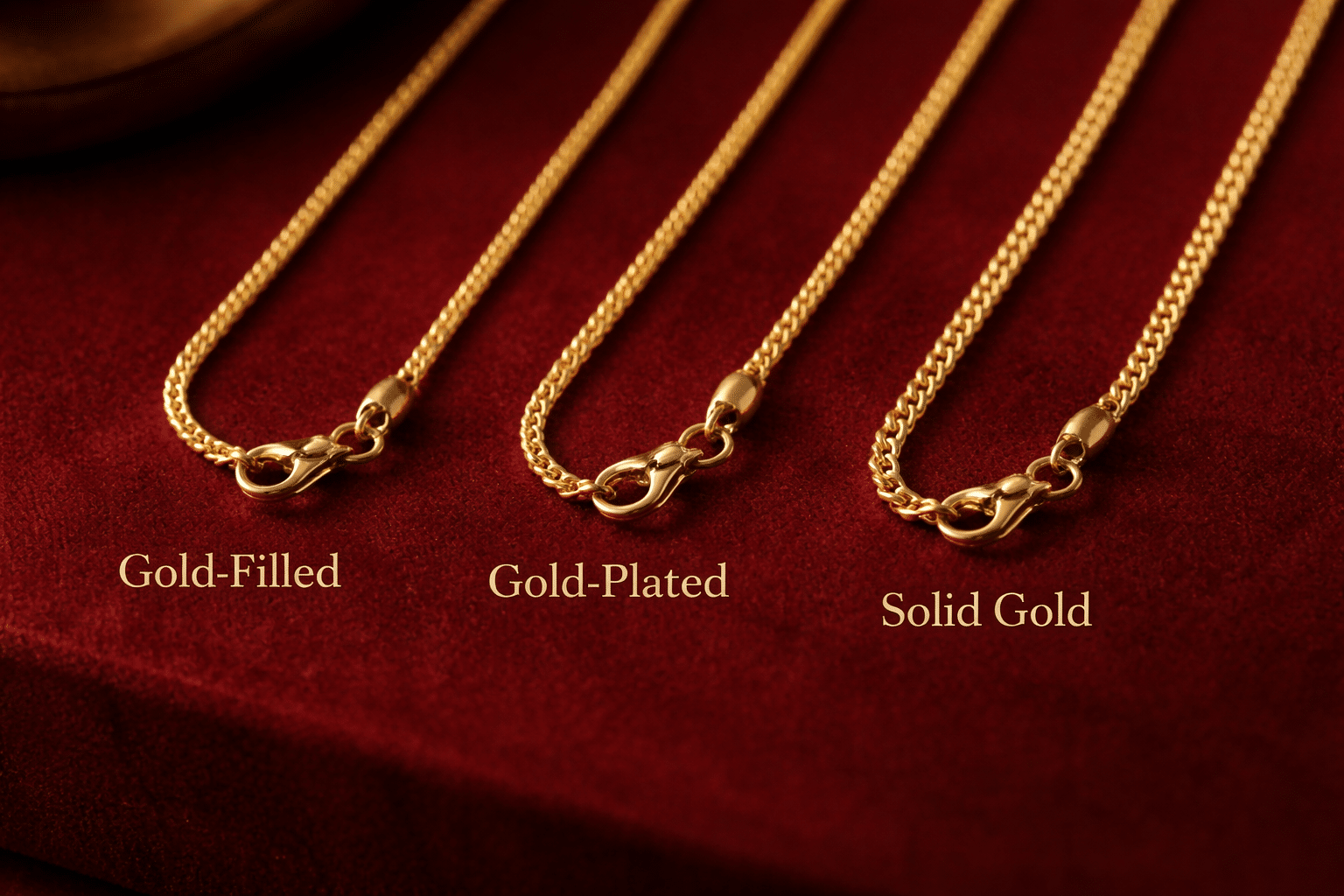
While these three gold types gold-filled vs gold-plated vs solid gold may look similar, the differences beneath the surface are significant. Our gold-filled vs gold-plated comparison explains what sets them apart in durability and value.
Three gold jewelry options sit before you: gold-plated at $25, gold-filled at $85, and solid gold at $450. All three look identical in the display case. All three carry that warm, golden glow you want. So which one deserves your money?

This decision trips up jewelry buyers constantly. The terminology sounds similar, the appearance matches when new, and the price differences seem arbitrary without understanding what creates them. But these three options differ dramatically in construction, durability, and long-term value.
Juli “Jewels” Church, Certified Diamondologist at LearningJewelry.com, simplifies the choice: “Think of it like buying a car. Gold-plated is a rental, looks great, but you do not own it long-term. Gold-filled is buying a reliable used car, a solid value for years of daily driving. Solid gold is buying a luxury vehicle, a premium investment that holds value indefinitely.”

Understanding the Three Options: gold-filled vs gold-plated vs solid gold
Each gold jewelry type uses different construction methods, creating different results.
Gold-plated Construction
Gold-plated jewelry starts with a base metal, typically brass, copper, or nickel. Manufacturers apply a thin gold layer through electroplating, using electrical current to deposit microscopic gold particles onto the surface.
This gold layer measures just 0.5-2.5 microns thick, containing less than 0.05% gold by total weight. No minimum gold content requirements exist for gold-plated pieces.
The thin coating explains why gold-plated jewelry tarnishes quickly. Daily wear, moisture, and skin contact gradually remove this microscopic layer, exposing reactive base metals beneath.

Gold-filled Construction
Gold-filled jewelry bonds a substantial gold layer to a base metal core using heat and pressure. This mechanical bonding creates permanent fusion between layers.
Federal regulations require gold-filled pieces to contain at least 5% gold by total weight. The gold layer measures 50-100+ microns thick, roughly 100 times thicker than standard gold plating.
This substantial thickness explains why gold-filled jewelry lasts 10-30 years with proper care. The gold rarely wears through during normal use.

Solid Gold Construction
Solid gold jewelry consists entirely of gold alloy throughout. Pure 24K gold proves too soft for jewelry, so manufacturers alloy it with other metals for durability.
Common solid gold purities include:
- 24K: 99.9% pure gold (too soft for most jewelry)
- 18K: 75% gold, 25% alloy metals
- 14K: 58.3% gold, 41.7% alloy metals
- 10K: 41.7% gold, 58.3% alloy metals
Solid gold contains no base metal core, gold runs completely through the piece. This construction provides lifetime durability and maintains resale value.

Classic 14K gold chain bracelet
Complete Comparison Table
Factor | Gold-plated | Gold-filled | Solid Gold (14K) |
Gold Content | <0.05% | 5%+ | 58.3% |
Gold Layer | 0.5-2.5 microns | 50-100+ microns | Solid throughout |
Typical Price | $10-$50 | $50-$150 | $300-$3,000+ |
Lifespan | 6 months-2 years | 10-30 years | Lifetime |
Tarnish Resistance | Poor | Excellent | Excellent |
Skin Safety | May cause reactions | Generally safe | Hypoallergenic |
Resale Value | None | Minimal | Significant |
Repair Potential | Limited | Good | Excellent |
Water Resistance | Poor | Good | Excellent |
Daily Wear Suitability | Poor | Excellent | Excellent |
Price Comparison Breakdown
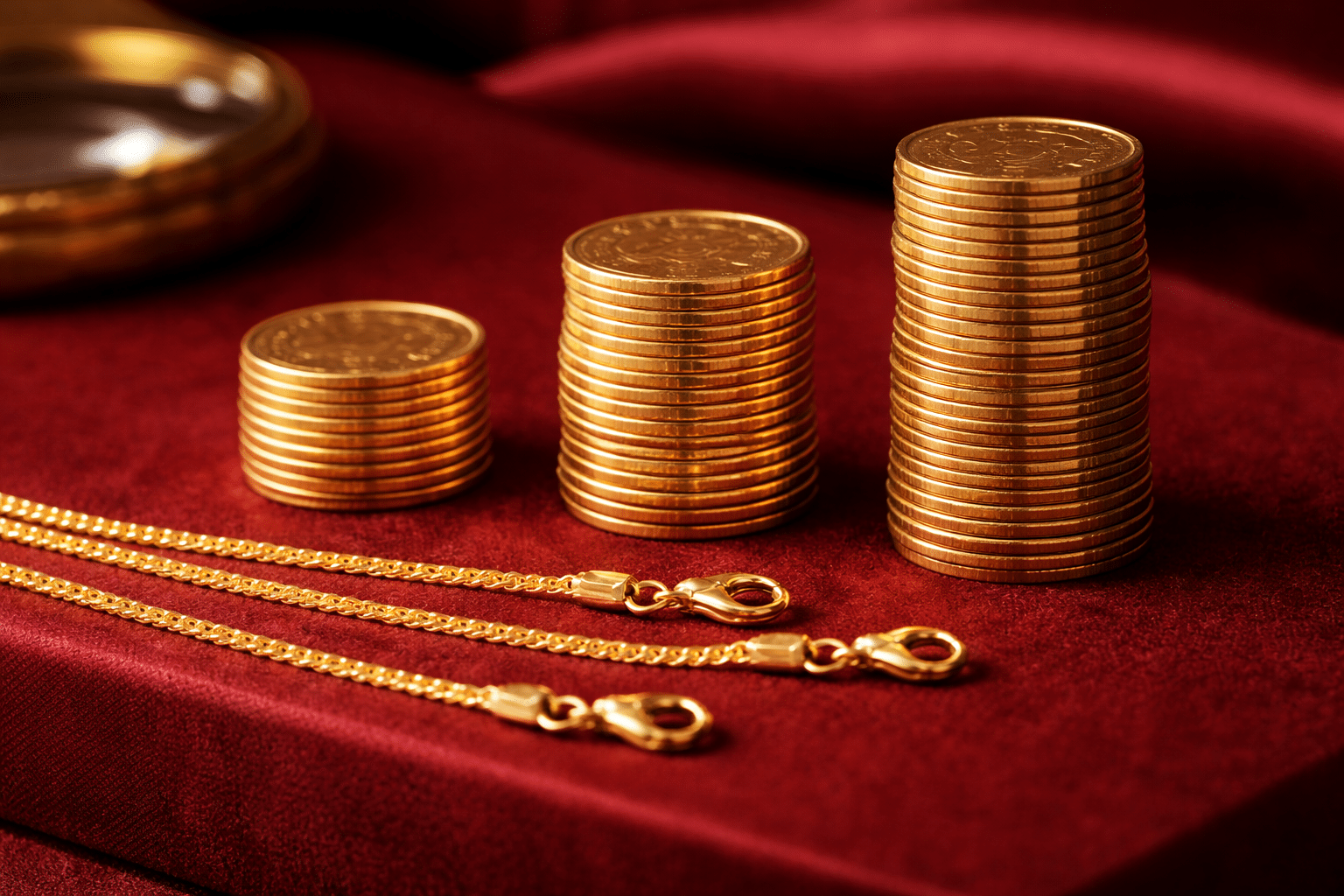
Understanding why gold-filled costs more than gold-plated requires examining actual gold content and construction quality.
Typical Price Ranges
Simple Chain Necklace:
- Gold-plated: $15-$35
- Gold-filled: $45-$95
- Solid Gold 14K: $200-$600
Hoop Earrings:
- Gold-plated: $12-$28
- Gold-filled: $35-$75
- Solid Gold 14K: $150-$400
Bangle Bracelet:
- Gold-plated: $20-$45
- Gold-filled: $55-$120
- Solid Gold 14K: $300-$900
Statement Ring:
- Gold-plated: $18-$40
- Gold-filled: $50-$100
- Solid Gold 14K: $250-$700
Value Over Time
The initial purchase price tells only part of the story. Long-term cost reveals true value.

Everyday 14K gold bracelet styles
10-Year Cost Analysis (Daily Wear Necklace):
Option | Purchase | Replacements | Total 10-Year Cost |
Gold-plated | $25 | 9 additional ($225) | $250 |
Gold-filled | $75 | None needed | $75 |
Solid Gold | $350 | None needed | $350 |
Gold-filled delivers the lowest total cost for daily wear items. Solid gold costs more but maintains resale value, offsetting some expense.

Timeless diamond tennis bracelets in 14K gold
Durability Comparison
Durability determines practical value for jewelry you actually wear.
Gold-plated Durability
Gold plating wears away through normal use. Friction from clothing, skin contact, and handling gradually removes the thin gold layer. Most gold-plated pieces show visible wear within months of regular use.
High-contact areas fail first: ring bands, bracelet clasps, chain links touching skin, and earring posts. Once base metal becomes exposed, tarnishing accelerates rapidly.
Gold-filled Durability
Gold-filled jewelry’s durability far exceeds gold-plated performance. The thick, bonded gold layer withstands years of daily friction without wearing through.
Vintage gold-filled pieces from the 1940s and 1950s remain wearable today, demonstrating a 70+ year potential lifespan. With reasonable care, modern gold-filled jewelry lasts multiple decades.

Solid Gold Durability
Solid gold provides lifetime durability. Since gold runs completely through the piece, no layer can wear away. Surface scratches affect appearance but do not compromise structural integrity.
Solid gold jewelry can be polished, repaired, resized, and restored indefinitely. Pieces survive generations of wear, becoming family heirlooms.
Appearance Comparison
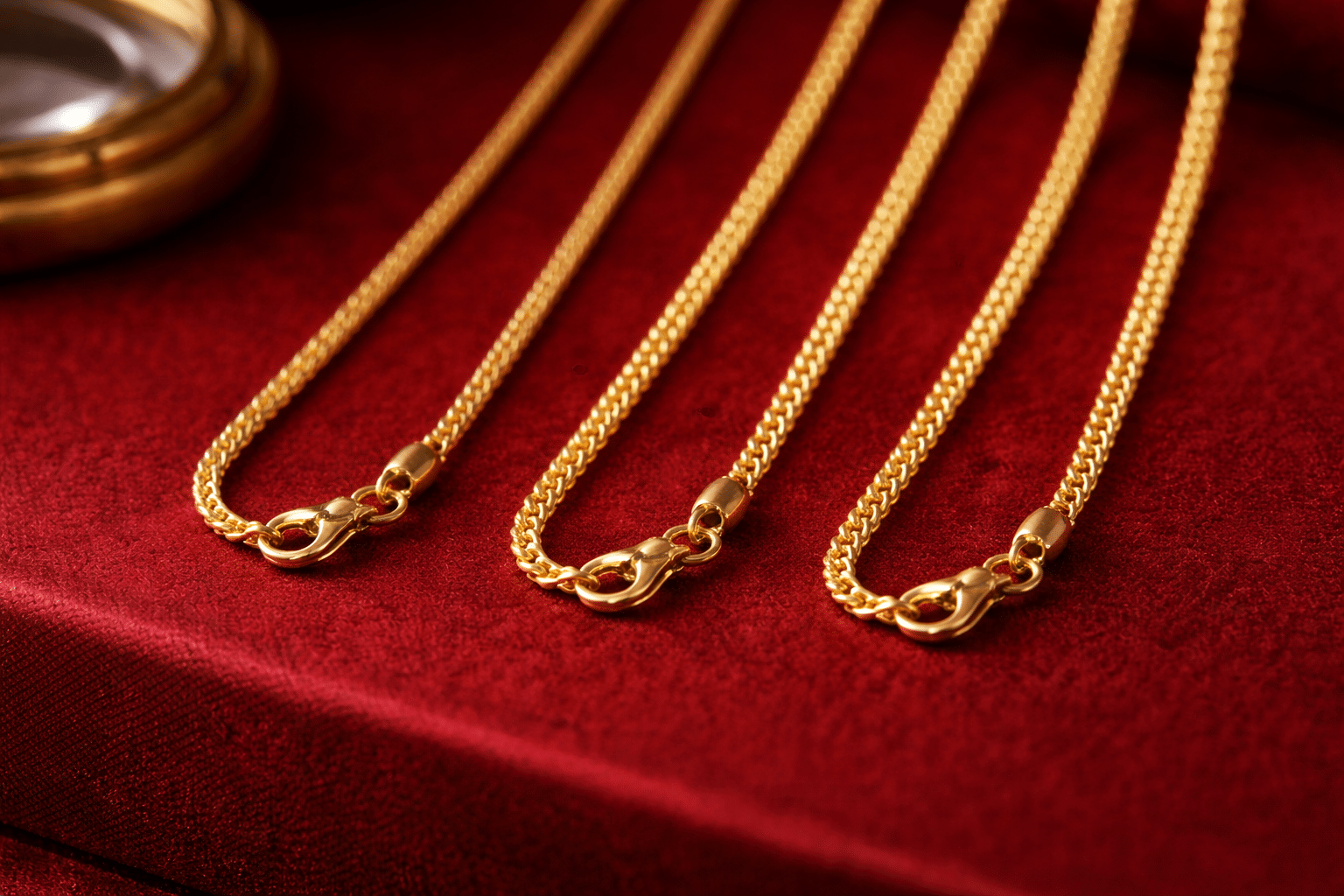
All three options look identical when new. Differences emerge over time.
Initial Appearance
Fresh gold-plated, gold-filled, and solid gold jewelry display the same warm golden color. Even trained jewelers cannot distinguish them visually without testing.
The gold layer on all three options consists of real karat gold with identical optical properties. Color matching depends on karat weight (10K, 14K, 18K) rather than construction type.
Appearance Over Time
Gold-plated: Color dulls and changes within months. Brassy undertones appear as plating wears. Base metal becomes visible in high-wear areas. May cause green skin discoloration.
Gold-filled: Maintains original appearance for years. Color remains consistent with proper care. Rarely shows base metal exposure during the normal lifespan.
Solid Gold: Keeps golden color indefinitely. Develops natural patina some wearers appreciate. Scratches accumulate, but polish restores the original finish.

Sleek snake chain bracelet with a smooth, modern look
Skin Sensitivity Comparison
Metal allergies and skin reactions influence jewelry choices significantly.
Gold-plated Reactions
Gold-plated jewelry commonly causes skin irritation and green discoloration. As thin gold wears away, base metals (nickel, copper, brass) contact skin directly.
Nickel allergies affect approximately 10-15% of the population. Copper causes green discoloration through a chemical reaction with skin acids. Both issues worsen as plating deteriorates.
Gold-filled Reactions
Gold-filled rarely causes reactions because the thick gold layer maintains separation between base metals and skin throughout normal wear. People sensitive to gold-plated jewelry often tolerate gold-filled jewelry comfortably.
However, those with severe nickel allergies may still react if gold-filled pieces contain nickel in the base metal core. Check the specifications if allergies concern you.

Elegant huggie earrings with a subtle diamond drop
Solid Gold Reactions
Solid gold (14K and higher) proves hypoallergenic for most people. The high gold content minimizes reactive alloy metals contacting the skin. Those with severe metal sensitivities often find solid gold their only comfortable option.
When to Choose Each Option
Different situations favor different choices.
Choose Gold-plated When:
- Budget genuinely cannot accommodate alternatives
- Wearing pieces only occasionally
- Following temporary fashion trends
- Testing styles before investing in quality
- Creating costume jewelry looks
Choose Gold-filled When:
- Wearing jewelry daily
- Wanting a solid gold appearance at a lower cost
- Having sensitive skin that reacts to cheap metals
- Seeking long-term value over the lowest price
- Building a lasting jewelry wardrobe
Gold-filled proves worth the investment for most regular-wear situations.

Choose Solid Gold When:
- Investment value matters to you
- Creating heirloom pieces for future generations
- Budget comfortably accommodates premium pricing
- Wanting lifetime durability without question
- Resale potential factors into decisions
- Having severe metal allergies requiring pure materials
Case Study: Three Sisters, Three Choices
Three sisters, Maria, Sofia, and Elena, each purchased gold necklaces five years ago with different approaches:
Maria (Gold-plated): “I bought a $22 gold-plated chain, thinking I was being smart with money. It looked beautiful for about four months before the color started changing. I replaced it three times over five years, spending $88 total on necklaces that never lasted.”
Sofia (Gold-filled): “I spent $78 on a gold-filled chain after reading about the difference. My sisters thought I overpaid. Five years later, that same necklace still looks identical to when I bought it. I wear it almost every day, probably 1,000+ times by now. That works out to less than $0.08 per wear.”
Elena (Solid Gold): “I invested $320 in a 14K solid gold chain for my 30th birthday. It felt expensive at the time, but I wanted something lasting. Five years of daily wear and it still looks perfect. I plan to give it to my daughter someday. Even if I sold it today, I would recover a significant portion of what I paid.”
The verdict: Sofia achieved the best value for daily wear. Elena made the best choice for long-term investment. Maria spent the most while receiving the least.

Modern layered gold chains with herringbone shine
Making Your Decision
Consider these questions when choosing:
- How often will you wear this piece? Daily wear favors gold-filled or solid gold.
- What is your realistic budget? Be honest about what you can comfortably afford.
- Do you have metal sensitivities? Reactions point toward gold-filled or solid gold.
- Does investment value matter? Only solid gold maintains meaningful resale value.
- Is this a trend or a timeless piece? Trendy items work fine in gold-plated.
Video Resource for: gold-filled vs gold-plated vs solid gold
For visual comparison of all three gold jewelry types: