
As a seasoned diamontologist, I’ve spent countless hours marveling at the stunning spectrum of diamonds, each one a silent testament to the unfathomable forces beneath our planet’s surface.
Yet, the hushed beauty of faint color diamonds often sparks heated debates among enthusiasts and skeptics alike.
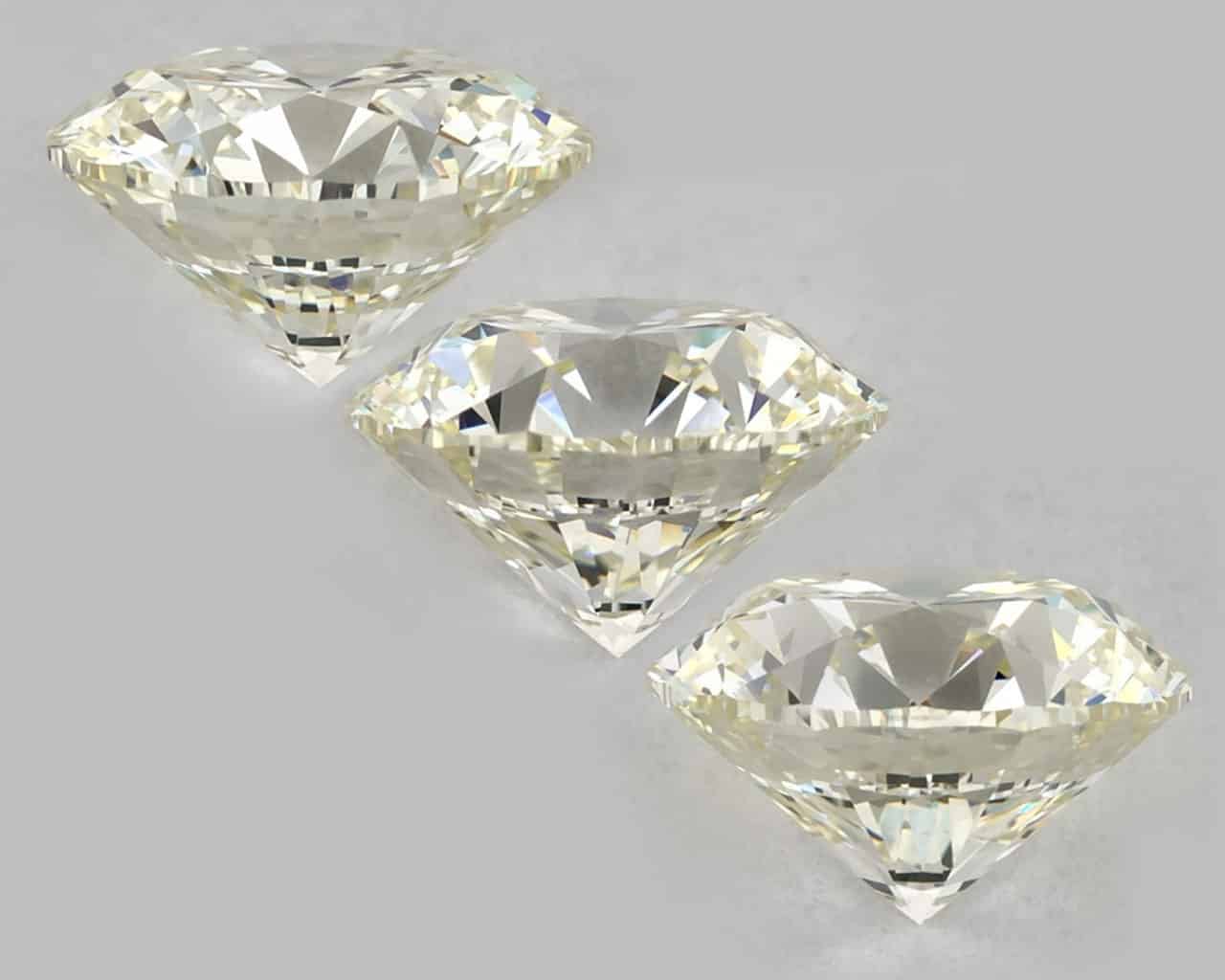
Are they as alluring as their colorless counterparts? Do their subtle hues diminish their value or add a unique charm?
These controversies beckon us into the world of these softly tinted marvels, adding an intriguing layer to their already fascinating story.
My objective? To take you on a journey through the mystique of these faint color diamonds, unravelling their science, their charm, and their place in our world. Buckle up, diamond lovers, we’re about to embark on an exciting exploration!
Understanding Diamond Color
Diamonds, formed deep within the Earth’s mantle over billions of years, are a dazzling result of intense heat and pressure. But have you ever stopped to wonder about the origins of their varied colors? It’s a fascinating interplay of science, time, and trace elements that each play their own role.
The Science Behind Faint Color Diamonds
The journey into the heart of a faint color diamond is a voyage into a world shaped by immense heat, crushing pressure, and the passage of countless centuries. In the heart of Earth’s mantle, where diamonds are born, carbon atoms bond under extreme conditions, creating these captivating gemstones.
It’s fascinating how these color nuances—so subtle in faint color diamonds—originate. The presence of trace elements during a diamond’s formation plays a significant role here. Nitrogen, for instance, is the common culprit behind the yellow and brown hues observed in these diamonds. Even minute quantities can result in these subtle shades.
However, the story doesn’t end there. The diamond’s journey from rough stone to polished gem also impacts its color. As a diamond is heated and pressurized over billions of years, its structure can subtly shift. These atomic movements can alter the way a diamond absorbs light, which can introduce or enhance color.

Two Faint color diamonds with different tints
It’s also important to note that not all faint color diamonds are created equal. The exact hue and intensity can vary, leading to a spectrum of faint color diamonds, each with its unique charm. This delicate interplay of trace elements, formation conditions, and time result in the faint color diamonds we’ve come to appreciate. Their beauty lies not just in their visible hues but also in the complex, millennia-spanning process that gave rise to them.
The GIA Grading Scale
The crux of understanding diamond color grading lies in the spectrum defined by the Gemological Institute of America (GIA). They’ve developed a comprehensive grading scale that ranges from D (colorless) to Z (light color). This scale helps gemologists, like myself, and consumers accurately describe and understand the slight color variations we see in diamonds.

Now, when you imagine a diamond, a pristine, colorless image might spring to mind. That’s the “D” grade — a diamond devoid of any color, an absolute paragon of purity. However, as you move further along the scale, diamonds begin to show hints of color. These are typically yellow or brown tinges, barely perceptible at first. This delicate color gradient is where we encounter the category of “Faint color” diamonds, which falls under grades K to M on the GIA scale.
In these faint color diamonds, the hues are incredibly subtle. At first glance, you might even think they’re colorless. But, hold them against a truly colorless diamond, and their warm undertones become more evident. These diamonds have just enough color to impart a distinct personality, a unique charm that is absent in their colorless counterparts. The faint color is a whisper, not a shout; an alluring secret that becomes apparent only to the keenest observer.
In this exploration, we’ll delve deeper into these subtle hues, discovering what gives faint color diamonds their unique character, and why they are a category worth appreciating in their own right. As we peel back the layers, I invite you to set aside any preconceived notions and join me in exploring the nuanced beauty of these often-overlooked gems.
So Then, What are Faint Color Diamonds?
Faint color diamonds are, in essence, diamonds that exhibit a slight but noticeable hue, typically of yellow or brown, according to the Gemological Institute of America’s (GIA) grading scale. They fall within the K-M range on this scale, distinguishing themselves from both the colorless and more visibly colored diamonds.
When we delve deeper into what this means, we discover an intricate play of light and color. Faint color diamonds mark the transition on the GIA scale where a diamond’s color begins to become detectable to the naked eye. From the face-up position, their color can be deceptively elusive, often appearing almost colorless to a casual observer. However, when compared side-by-side with a truly colorless diamond or viewed under specific lighting conditions, their subtle hue becomes more apparent.
It’s essential to remember that this color isn’t a bold declaration but rather a subtle hint, akin to the softest watercolor wash on a canvas. The gentle coloration that gives them their name doesn’t detract from their beauty, but instead imparts an alluring warmth and character. This is the core essence of faint color diamonds — a soft, often understated color that adds an intriguing layer of depth to these precious gemstones.
Individual Grades within the Faint Color Category
The Faint Color category in the GIA diamond color grading scale comprises three individual grades: K, L, and M. Each grade represents a subtly different shade of color, adding further nuance to the Faint Color category.

K Color Diamond

L Color Diamond

M Color Diamond
- K Color Grade Diamonds: K-grade diamonds may possess a slight yellow or brown tint, especially when viewed against a white background or under bright light. Nonetheless, the color is often challenging to discern to the untrained eye, particularly when set in jewelry.
- L Color Grade Diamonds: The color in L-grade diamonds is a touch more noticeable than in K-grade stones but still relatively subtle. These diamonds can exhibit a warm tone that pairs beautifully with certain metal colors and jewelry styles.
- M Color Grade Diamonds: M-grade diamonds, the last grade in the Faint Color category, display a slightly more pronounced color, yet maintaining an appealing subtlety. These diamonds can offer a unique look and a vintage appeal, adding character to a piece of jewelry.
Remember, while each grade does represent a slightly different hue, the color difference is often subtle and might not be noticeable without a direct comparison. The key is to choose the diamond that speaks to you and complements the setting in which it will be placed.
What to Appreciate about Faint Color Diamonds
There’s a unique allure that faint color diamonds bring to the table—something I’ve come to deeply appreciate during my years as a diamontologist. Their delicate coloration is akin to the blush of a sunset or the first flush of dawn—soft, subtle, and exquisitely beautiful.
The distinct charm of these diamonds lies in their understated color. Unlike their vividly colored or colorless siblings, faint color diamonds don’t shout for attention. They whisper their stories, inviting the observer to lean in closer, to discover the secrets they hold. This makes each one feel like a personal discovery, a gem that reveals its true nature only to those patient enough to appreciate its nuances.

The Beau Sancy Diamond (Image via NBC News)
Faint color diamonds have also marked their presence in the annals of history. One such diamond is the famed “Beau Sancy” diamond, a 34.98-carat stone of faint color. This diamond was passed down through generations of European royalty, beguiling kings and queens with its distinctive charm.
In my own experience, examining a faint color diamond is like listening to a soft symphony. Each stone has a gentle, almost soothing presence that grows on you over time. Their warm tones seem to emanate a quiet elegance that contrasts with the stark beauty of colorless diamonds or the vivacious allure of vividly colored ones. They offer a kind of beauty that is humble yet captivating, simple yet profound—much like a sonnet that enchants with its words, a faint color diamond captivates with its hues.
In this age of appreciation for the unique and the distinctive, faint color diamonds offer a refreshing alternative for those seeking something different yet equally fascinating.
How to Choose the Right Faint Color Diamond
Choosing the right diamond is much like choosing a companion—it’s a deeply personal decision that varies from one individual to another. When it comes to faint color diamonds, there’s a range of factors to consider, and through my years of experience, I’ve gathered a few pointers that might come in handy.
Size and Shape
Size and shape are two key considerations. Larger diamonds tend to show more color, so a faint color diamond’s subtle hues might be more apparent if the stone is relatively large. Similarly, the shape of the diamond can influence its color appearance. Shapes like round brilliant cuts can hide color more effectively than others, like emerald or pear cuts.
Settings
Another intriguing aspect of faint color diamonds is their potential to enhance certain jewelry settings. In my own observations, I’ve seen how these subtly hued diamonds can add warmth and depth to vintage-inspired settings or contrast beautifully with cooler metals like white gold or platinum.

1.01 ct emerald cut L color VS2 diamond in 14k yellow gold (via Eragem)

1.5 ct oval SI2 M diamond in open shoulder yellow gold setting (via Eragem)
Price
As for assessing the value of a faint color diamond, it’s crucial to remember that while they may not command the same price tags as their colorless counterparts, these diamonds aren’t lesser. Their value lies in their unique aesthetic, the delicate interplay of light and color that sets them apart.
Price is certainly an important consideration, but it’s just as vital to choose a diamond that resonates with you personally. That’s the beauty of faint color diamonds—there’s an understated elegance about them that you can’t help but be drawn to.
Faint Color Diamonds Compared with Other Diamond Grades
Now that we’ve delved into the nuances of faint color diamonds, it’s worth comparing them to other grades on the GIA scale. Understanding these distinctions can provide a richer context for appreciating the charm of these subtly hued gems.
Faint vs Colorless Diamonds
Colorless diamonds, graded D-F on the GIA scale, are the epitome of purity in the diamond world. Their absolute lack of color allows for maximum light return, resulting in a stunning display of brilliance and fire. Faint color diamonds, in contrast, exhibit soft coloration that lends a warmth and character distinct from the stark beauty of colorless diamonds. Their appeal lies in their subtle hues, a gentle whisper of color that adds depth and personality.
Faint

Colorless
Faint vs Near Colorless Diamonds
Next, we have near colorless diamonds, occupying grades G-J on the GIA scale. These diamonds have a slight hint of color that is difficult to detect unless compared side-by-side with colorless diamonds. They offer a balance between color and cost. However, when compared with faint color diamonds, their hues are less perceptible, and they lean more towards the colorless end of the spectrum.
Faint

Near Colorless
Faint vs Very Light Color Diamonds
Finally, let’s consider very light color diamonds, which are just one step down the scale from faint color diamonds. While both grades exhibit color, very light color diamonds (graded N-R) have a more noticeable hue. Though still subtle, this added depth of color differentiates them from faint color diamonds.
In essence, faint color diamonds occupy a unique place on the color scale, offering a soft warmth and understated elegance that sets them apart from other diamond grades. Their unique charm and subtlety offer an appealing alternative to traditional diamond choices, redefining the way we perceive and appreciate the beauty of these gemstones.
The Future of Faint Color Diamonds
Trends and Predictions in the Diamond Industry
As we look towards the future of faint color diamonds, several trends and industry shifts come into focus. One prominent trend I’ve noticed is an increasing appreciation for uniqueness and individuality in the diamond industry.
Today’s consumers aren’t just looking for the traditional colorless diamond; they’re exploring the entire color spectrum, leading to a heightened interest in diamonds like those in the faint color category.
The Role of Sustainability and Ethical Sourcing
In terms of ethical sourcing and sustainability, these concerns are reshaping the diamond industry in significant ways. Consumers are becoming more knowledgeable and concerned about the origins of their diamonds, promoting a shift towards responsibly sourced and ethically produced diamonds. Faint color diamonds are part of this conversation, as their unique color nuances can be tied to specific geological conditions, potentially serving as a sort of fingerprint of their origins.
In the light of these trends, it’s exciting to anticipate the evolving place of faint color diamonds in the industry. The charm of these subtly hued gems, coupled with their unique story and growing recognition, paints a bright future for this fascinating category of diamonds.
FAQs on Faint Color Diamonds
Are faint color diamonds less valuable than colorless diamonds?
While colorless diamonds generally command higher prices, the value of a diamond is multi-faceted, involving factors like cut, clarity, and carat weight. Faint color diamonds have a unique appeal and can be a more affordable alternative without compromising on beauty.
Can you see the color in a faint color diamond?
The color in faint color diamonds is subtle and may not be easily noticeable, especially to the untrained eye. The color becomes more apparent when the diamond is viewed under specific lighting or compared side-by-side with a colorless diamond.
Do faint color diamonds look good in all types of jewelry?
Faint color diamonds can add a unique charm to various types of jewelry. Their warm tones can beautifully enhance vintage settings or provide an intriguing contrast to cooler metals like white gold or platinum.
How common are faint color diamonds?
Faint color diamonds are relatively common compared to colorless or intensely colored diamonds. However, their prevalence doesn’t diminish their appeal—their unique charm lies in their subtle coloration and individual character.
Where are the best places to buy faint color diamonds?
Reputable jewelers, both online and brick-and-mortar stores, are ideal places to buy faint color diamonds. I personally recommend James Allen and Blue Nile based on their stellar reputations when it comes to quality, price, the extensiveness of their inventory.
Ensure that they provide GIA certifications for their diamonds, so you can be confident about the diamond’s quality and authenticity.
Are faint color diamonds okay to use for engagement rings?
Absolutely! Faint color diamonds can make stunning engagement rings. Their soft color adds a unique character and warmth to the ring, making it a memorable piece that stands out from more traditional options.
Should You Consider Faint Color Diamonds?
As we conclude our journey through the world of faint color diamonds, I urge you to keep an open mind. These diamonds, with their subtle hues and individual charm, offer a unique alternative to traditional diamond choices. They embody an understated elegance, a hint of color that speaks volumes about their deep history and formation.
Whether you’re a first-time buyer, a seasoned collector, or someone who appreciates the beauty in subtlety, faint color diamonds are worth considering. After all, the allure of diamonds lies not just in their brilliance, but also in the myriad stories they hold within.